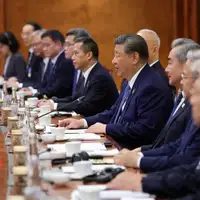
IT Iran account on social media platform X reported on July 19 that Zarepour told Pezeshkian during a meeting with him on Thursday that Internet speed in Iran is slow because Iranian netizens use filter-breakers (VPNs). He further claimed that "most Iranian users complain that the oppressive sanctions by the West are responsible for Iranians' difficulty in accessing the Internet."
In fact, Iranians use VPNs in order to circumvent the Iranian government's ideological filtering of the Internet. The government in Iran has been censoring the Internet at least since 2003 when social media were limited to weblogs. Tens of thousands of websites were blocked initially and then social media platforms, such as Facebook, You Tube and Twitter.
Prominent Iranian journalist Saeed Arkanzadeh Yazdi wrote in a post on X that "Zarepour himself is the main culprit for the slow Internet speed in Iran. Nonetheless, he is just the tip of an iceberg and a front for the technological, economic and ideological apparatus that is behind the filtering of the Internet in Iran."
During the past years, particularly following the 2009 disputed presidential election, the government gradually banned all social media platforms. At the same time, it introduced homegrown platforms that not many Iranians use, partly out of concern that their activities can be monitored by intelligence services.
Despite the ban and filtering, millions of Iranians use foreign social media platforms for networking or for business. When Instagram was filtered during the 2022 protests, Iranians complained that tens of thousands of them were kicked out of their online businesses. Based on statistics released by government officials, more than 40 million Iranians including state officials maintain active accounts on Telegram and the number of Iranian accounts on Instagram surpassed 25 million in 2021.
Although most Iranians use social media for personal or business networking, Iranian intelligence and security organizations fear that dissidents might use them for organizing protests and mobilizing protesters.
A report on Didban Iran website on July 18 quoted the Research center of the Iranian parliament as saying that "Restrictions on the Internet is directly linked to the accrued anger of Iranian Internet users.
A study on the variables affecting the challenging situation for Iranian Internet users observed: "A high percentage of the Iranian population has access to social media [albeit using filter-breakers]; however, the low quality of connections, disruptions, limitations on Internet access, and security breaches are significant challenges."
By "security breaches," the report alluded to the constant monitoring of citizens' online activities by the Iranian government. During the latest protests in Iran, the government arrested dozens of social media users simply for "liking" political activists' posts.
One of the most frequently voiced demands of Iranians is easy access to the Internet, where they can connect with others and market their goods or intellectual property.
During his campaign for the latest presidential election in Iran, Pezeshkian promised to facilitate this. Although the President is officially the head of the Supreme Council of Cyberspace in Iran, he does not have the final say on the matter.
Before Pezeshkian, former President Ebrahim Raisi also promised to ease Internet access, particularly for online businesses. However, Internet access became more restricted under his presidency.
Pezeshkian may recall what one of his rivals said during the presidential debates: "To bring about real change for passengers, changing the train driver is not enough. The train manager, or even the track, may need to be changed as well."