Iranian Cleric Complains Of Too Much Joy, Amid Soaring Depression Rates
Reza Ezzat Zamani, a deputy of the Islamic Development Organization
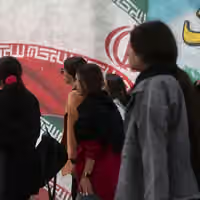
While a majority of Tehran's population is grappling with depression, an Iranian cleric complains that the Islamic regime has gone to extremes in creating joyful and happy occasions for the population.
Reza Ezzat Zamani, Deputy of the Islamic Propagation Organization, said Wednesday that "In the Islamic Republic, not only have we not prohibited many joyful matters, but we have also gone to extremes."
"We believe that many things that appear to be joyful, bring sadness and transient happiness, according to Westerners themselves" he added.
His comment comes as studies suggest a rise in depression in Iran, particularly among women and young people.
The Islamic government bans mingling of opposite sexes, drinking alcohol, enforces hijab on women and strictly monitors music, often banning concerts and other cultural events.
In September, a report from the reformist newspaper Ham-Mihan revealed that one out of every five prescriptions issued in Tehran is for antidepressants or sleep-inducing medications. Also, a comprehensive study conducted by the Tehran Studies and Planning Center in January disclosed that a significant 80.8% of Tehran residents reported a low quality of life.
The widespread prevalence of depression and the unfavorable living conditions outlined in the studies have extensive implications, contributing to an upsurge in crime, social issues, and broad public discontent. The situation has prompted a growing number of individuals to consider emigration as a potential remedy to their current circumstances.
In the wake of the Woman, Life, Freedom uprising, numerous experts, including university professors, mental health specialists, and sociologists, expressed concerns about the societal conditions in Iran. Four mental health associations also voiced their apprehensions regarding the mental well-being of citizens in a joint statement.