Iran’s Chamber Of Commerce Member Raises Concerns Over Currency Volatility

Mehrad Ebad, a member of the Iranian Chamber of Commerce, has voiced concerns over the volatility of Iran's national currency.
Mehrad Ebad, a member of the Iranian Chamber of Commerce, has voiced concerns over the volatility of Iran's national currency.
He stated on Wednesday that, "Nowhere else in the world does the national currency's value drop by 20% overnight."
In the address, he added, “Economic stability is one of the most crucial needs for businesses, enabling their owners to plan based on this stability. Unfortunately, in recent decades, stability has been lacking in the Iranian economy, and domestic and international events with direct and indirect impacts on Iran's economy have influenced the exchange rate.”
The Iranian rial's recent nosedive against the US dollar has exacerbated the concerns. Last week, the rial plummeted to 575,000 against the dollar amidst escalating regional tensions and uncertainties surrounding the US presidential election, particularly regarding the potential re-election of Donald Trump.
Although the rial has regained some of its value in the past few days, reaching 557,000 against the dollar, the overall trend remains worrying. Since 2018, the currency has depreciated 13-fold, triggered by the US withdrawal from the JCPOA nuclear deal and subsequent sanctions on Iran's oil exports and international banking.
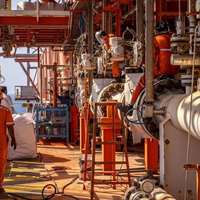
With an annual inflation rate exceeding 50 percent, the diminishing value of the rial is expected to exacerbate inflationary pressures in the coming months. The economic instability is compounded by low monthly wages for workers, averaging less than $200, leading to widespread discontent and protests across various sectors, including oil and gas production platforms and refineries.