Iran Expects 250,000 BPD Surge In Oil Production

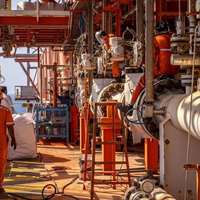
The National Iranian Oil Company (NIOC) has announced plans to boost its oil production by an additional 250,000 barrels per day (bpd) by the end of the summer.
The National Iranian Oil Company (NIOC) has announced plans to boost its oil production by an additional 250,000 barrels per day (bpd) by the end of the summer.
According to a report by the semi-official Tasnim news agency, this move is expected to elevate Iran's total daily oil production to 3.5 million bpd. NIOC Managing Director Mohsen Khojasteh-Mehr was quoted by Tasnim as stating, "Iran's oil production will reach 3.5 million bpd at the end of summer."
The backdrop of this production surge lies in the aftermath of the 2015 Joint Comprehensive Plan of Action (JCPOA) agreement, which saw the lifting of international sanctions on Iran and a subsequent increase in revenues. During this period, Iran's oil revenues temporarily soared to $66 billion in 2017. However, this upward trajectory was disrupted after the United States withdrew from the JCPOA in May 2018, which led to renewed sanctions that intensified a year later. As a result, Iran's oil exports faced a significant decline, falling to between $15 - $20 billion by 2020. The tide began to turn towards the close of that year after the election of US President Joe Biden, who expressed intentions to reinstate the JCPOA. China, in response, embarked on a trajectory of heightened oil imports from Iran.
However, the recent influx of revenue from increased oil exports has sparked questions among economists and business analysts in Iran and around the world. Notably, Iran's national currency, since the beginning of the year, has lost more than 25 percent of its value against the dollar on the open market. Critics contend that the substantial oil revenues have not yielded the anticipated positive impact on the economy, due to government tax policies and other factors.