Iran's Comms Minister Says A Third of Blocked Sites ‘Obscene’

Iran's communications minister has defended internet filtering policies, claiming that a third of the blocked sites are “obscene” and “restricted worldwide”.
Iran's communications minister has defended internet filtering policies, claiming that a third of the blocked sites are “obscene” and “restricted worldwide”.
Isa Zarepour’s comments come in response to a report by the Tehran Electronic Commerce Association, which said that 30% of the top 100 most visited sites globally are filtered in Iran. Zarepour said that these websites are also “restricted worldwide”.
Among the blocked services in the country are major platforms such as YouTube, Facebook, Instagram, WhatsApp, Twitter, Reddit, Netflix, Bing, BBC, AliExpress, PayPal, and Quora. Attempting to corroborate the minister's claim, a website called Farazdaily investigated the restricted websites in Iran, but discovered that they do not contain any adult or restricted content.
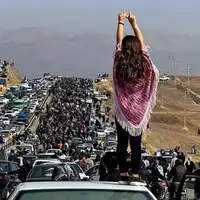
The restrictions on social media platforms in Iran date back more than a decade, Facebook and Twitter being banned after the 2009 presidential election and Telegram in the aftermath of the November 2019 protests. Last year, Instagram and What’s App were blocked during the mid-September protests.
Despite these strict bans, Iranian officials, including Supreme Leader Ali Khamenei, maintain a presence on social media platforms, some possessing multiple accounts on each. Meanwhile, Iranians resort to using Virtual Private Networks (VPNs) to circumvent the bans and continue using social media.
Social media has significantly transformed the information landscape in Iran, challenging the government's control over the flow of information. Citizens now utilize these platforms as virtual town squares to openly criticize and challenge the clerical regime, heralding a shift in the power dynamics between the authorities and the public.