• العربية
  • فارسی
BrandBrand
  • Iran Insight
  • Politics
  • Economy
  • Analysis
  • Special Report
  • Opinion
  • Podcast
  • Live TV
  • Iran Insight
  • Politics
  • Economy
  • Analysis
  • Special Report
  • Opinion
  • Podcast
  • Live TV
  • Theme
  • Language
    • العربية
    • فارسی
  • Iran Insight
  • Politics
  • Economy
  • Analysis
  • Special Report
  • Opinion
  • Podcast
  • Live TV
All rights reserved for Volant Media UK Limited
volant media logo

Probe Reveals Iran, Hezbollah Roles In Daraya Massacre 10 Years Ago

Aug 25, 2022, 21:07 GMT+1
Mass graves dug in the land behind Abu Suleiman al-Darani mosque to bury those who were killed in the Daraya massacre. (Photograph: Courtesy of Syrian British Consortium)

A probe supported by a British advocacy group into attacks by Syrian government forces that left 700 people dead in Darayya, Syria 10 years ago has revealed Iranian and Hezbollah militias’ involvement. 

A team of investigators from Syria, or of Syrian descent, backed by the Syrian British Consortium (SBC) advocacy group, tracked down survivors and witnesses from around the world to analyze their testimonies, and published their findings on Thursday, hoping that UN bodies and other legal institutions use the report to prosecute some of those responsible.

The report said investigators were able to identify government forces and Iranian and Hezbollah militias involved in the attacks by their uniforms, insignia and weaponry, including types of tanks, as well as how members of the units addressed each other. 

The team also identified some individuals responsible. “This investigation reveals that the Assad Government and supporting Hezbollah and Iranian militias engaged in a systematic attack against the civilian population of Darayya from August 20 to 26, 2012”, as they advanced against the town from multiple directions and indiscriminately attacked neighborhoods by shelling and airstrikes, and deliberately targeted hospitals.

Reports regarding the involvement of Iranian troops grew after August 5, 2012 (two weeks before the Darayya massacre), when a Free Syrian Army brigade captured 48 active-duty members of the Iranian Revolutionary Guard in the southeastern part of Damascus, a few kilometers away from Darayya.

One witness told researchers that the scene at the hospital after one attack was “horrific, like doomsday”. “Everyone was looking for their loved ones, trying to get them treatment. People were running and hiding.”

Most Viewed

Iran court sentences 21-year-old protester to death
1

Iran court sentences 21-year-old protester to death

2

Iran says US tone shifts but demands still block talks

3

Arab states demand response from Iran as fears of wider war dominate Bahrain summit

4

'No geographic limits': Tehran projects readiness for all-out war

5
INSIGHT

Talks or resistance? Iran's factions differ over path out of crisis

Banner
Banner
Banner
Banner
Banner

Spotlight

  • Netanyahu or not, the next move on Iran may be Trump's
    PODCAST

    Netanyahu or not, the next move on Iran may be Trump's

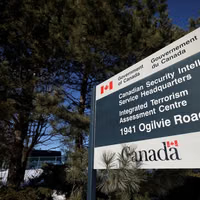
  • CSIS warns Iran-related activities targeting Canada likely to continue in 2026

    CSIS warns Iran-related activities targeting Canada likely to continue in 2026

  • Talks or resistance? Iran's factions differ over path out of crisis
    INSIGHT

    Talks or resistance? Iran's factions differ over path out of crisis

  • Tehran refuses to budge as diplomacy races against war

    Tehran refuses to budge as diplomacy races against war

  • Growing old alone: The parents Iran’s emigrants left behind
    VOICES FROM IRAN

    Growing old alone: The parents Iran’s emigrants left behind

  • Behind Khamenei's call for peace, Tehran's unchanged demands
    OPINION

    Behind Khamenei's call for peace, Tehran's unchanged demands

  • Iran's Great Depression? Economists weigh Bessent's dire forecast
    ANALYSIS

    Iran's Great Depression? Economists weigh Bessent's dire forecast