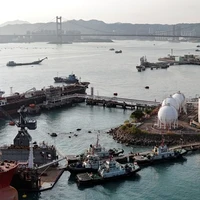
Iran’s ambassador to Islamabad, Reza Amiri Moghadam, said Tehran had conveyed through Pakistani mediators that it was prepared to reopen the strait if Washington ended its blockade of Iranian ports, the Associated Press reported.
Speaking at a seminar in Islamabad, Moghadam said Iranian officials had communicated that position during visits to Tehran by Pakistan’s army chief, Field Marshal Asim Munir. He accused Trump of rejecting the proposal by insisting the blockade would continue.
Moghadam said Iran remained open to negotiations under a Pakistan-brokered interim agreement reached in June, according to AP’s readout of his remarks.
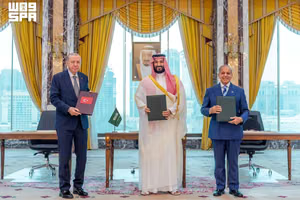
Pakistan and Qatar helped broker that framework, which envisaged restoring shipping through the strait, lifting the blockade and beginning negotiations on a broader deal covering Iran’s nuclear program.
Al Arabiya separately reported Saturday, citing unnamed sources, that Iran had informed Pakistan it was willing to resume negotiations with Washington and reopen the strait in exchange for the blockade being lifted.
But the IRGC-affiliated Tasnim news agency quoted an informed source rejecting Al Arabiya’s account as “lies and fantasy” and saying Tehran had made no new proposal to Pakistani mediators.
“Iran fundamentally does not accept any equation of the Strait of Hormuz in exchange for the blockade,” the source said, adding that Iran would find ways around the blockade and ultimately break it.
The source said Tehran stood by seven conditions already formally conveyed through mediators. An earlier “seven-day plan” setting out its demands for reopening the strait had been passed to Washington, the source said, adding that insecurity would persist until all Iranian demands were met, including an end to disruption of its ports and shipping.
Tasnim’s denial explicitly targeted Al Arabiya’s report, rather than the ambassador’s remarks reported by AP.
US may attack Iran tomorrow
Trump, meanwhile, kept open the possibility of both military action and an agreement, saying he wanted a permanent solution to prevent Iran from developing a nuclear weapon.
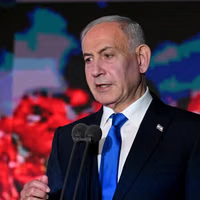
“Do you really think I’m going to tell you if I’m going to do it?” Trump told reporters Saturday. “There’s a possibility I will. There’s also a possibility we’ll have a nice big beautiful agreement.”
He said Iranian leaders wanted a deal but questioned whether they would abide by it.
“They want to make a deal. But the problem is, will they hold the deal?”
Trump argued that ending the military campaign after B-2 bomber strikes in 2025 would have allowed Iran to rebuild its nuclear capabilities and eventually develop a bomb.
“I’ve got to make it permanent. That’s the only reason I’m doing it as long as I’m doing,” he said.
The Hill reported Saturday, citing two sources familiar with the planning, that the US military had prepared options for renewed strikes on Iran after November’s midterm elections.
One source said US Central Command had follow-up strike plans ready pending White House authorization. Another said multiple options were being presented to War Secretary Pete Hegseth and that Trump would keep his options open until a final decision was required.
A Pentagon official told The Hill the department’s “job is to develop and present military options to the President.”
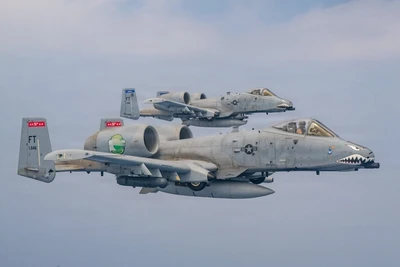
The Wall Street Journal reported earlier in the day that US naval forces are preparing for possible renewed strikes against Iran, with sailors loading munitions and readying aircraft aboard American warships.
The preparations include the USS George Washington aircraft carrier strike group, as Washington considers further military action against the Islamic Republic.