Reports that Washington is considering using frozen Iranian assets to compensate Persian Gulf allies for damage allegedly caused by Iran have triggered a backlash in Tehran, where access to the funds remains a central demand in negotiations with the United States.
Reuters reported on Saturday, citing a source familiar with the matter, that Washington is considering making frozen Iranian assets available to Persian Gulf partners to help cover future damage allegedly caused by Iran.
The report said the US Treasury is also examining whether the funds could be used to compensate for past losses and has begun assessing costs incurred by Gulf allies. The report has not been confirmed by the Treasury Department.
The sums involved could be substantial. Estimates of frozen Iranian assets vary, but they are widely believed to amount to tens of billions of dollars held abroad, including in countries such as South Korea and Iraq.
President Donald Trump, however, told NBC on Sunday that he would not unfreeze Iranian assets or lift sanctions before a peace agreement is reached.
Al Arabiya reported last week that negotiations over frozen Iranian assets had made progress, though significant differences remained over the mechanism and timing of their release.
'Ridiculous, unacecptable'
Iranian officials reacted sharply to the Reuters report despite the absence of any formal US announcement.
Kazem Gharibabadi, Iran's deputy foreign minister for legal and international affairs, described the reported proposal as a "new act of insolence" in a post on X.
"Iran's assets are not Washington's war booty or a fund for paying its allies," he wrote.
He said any seizure, transfer or allocation of Iranian assets without Tehran's consent would constitute an internationally wrongful act and warned that Iran would respond proportionately.
Gharibabadi also argued that regional governments that allowed their territory and facilities to be used against Iran were themselves complicit and should compensate Iran for damages it has suffered.
Esmail Kowsari, a member of parliament's National Security and Foreign Policy Committee, also rejected the reported proposal.
"The idea is fundamentally ridiculous and unacceptable," he told the conservative website Tabnak. "The United States itself is the main cause of insecurity, tensions and damage in the region and cannot decide the fate of other countries by confiscating the assets of the Iranian nation."
"If compensation is to be paid," he added, "it is the United States that must answer for the heavy human and material losses inflicted on the Iranian people."
'Creditor turned debtor'
The Reuters report received extensive coverage in Iranian media, much of it focused on Tehran's insistence that any release of assets must be genuine, verifiable and free from political conditions.
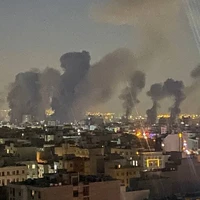
The IRGC-affiliated Fars News Agency suggested the proposal could be linked to rebuilding US military facilities damaged in Iranian missile and drone attacks during the conflict.
"Iran has repeatedly stated that in its attacks it targeted only American bases and interests in Arab countries," the outlet wrote. "Therefore, it is not unlikely that the Treasury Department intends to use Iran's frozen assets to rebuild US bases that suffered billions of dollars in damage from Iranian missile and drone attacks."
Hardline website Raja News, which opposes negotiations with Washington, used the report to criticize Parliament Speaker Mohammad-Bagher Ghalibaf and supporters of diplomacy with the United States.
"The Iranian people have the right to ask: what kind of 'successful negotiations' were these?" the outlet wrote. "Not only was there no compensation, but the creditor was turned into the debtor, and the country's assets, instead of being released, now stand on the verge of being auctioned off and looted."
The Russian precedent
The debate has prompted comparisons with Western handling of frozen Russian assets following Moscow's 2022 invasion of Ukraine.
While Western governments have used profits generated by frozen Russian sovereign assets to support Ukraine and back international loan packages, they have largely avoided confiscating the underlying assets themselves.
The distinction has become a reference point in legal and political debates over the treatment of other countries' blocked funds, including those belonging to Iran.
Reactions online
Online reactions reflected widespread anger among many Iranian users, underscoring the political sensitivity of frozen assets.
One commenter on the Tabnak website wrote: "The Arabs should compensate Iran for the fighter jets and missiles launched from their territories, not the other way around."
For many Iranians following the negotiations, the prospect that frozen assets could be used to compensate other countries touches a particularly sensitive nerve: money that Tehran sees as its own may ultimately become another battlefield in its dispute with Washington.