Iran faces daily gasoline shortage of 30 million liters, MP says


Iran faces a daily gasoline shortage of 30 million liters, said a member of Iran’s parliamentary energy committee, warning that fuel consumption must be managed because production cannot be increased in the short term.
“Daily gasoline production in Iran is 105 million liters, while consumption stands at 135 million liters,” Reza Sepahvand said on Friday.
“Part of gasoline production has declined because of bombing during the war, and imports have also decreased,” he added.


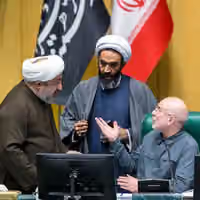


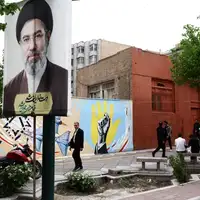
A representative of Iran’s Supreme Leader in Alborz province said during Friday prayers in Karaj that Israel’s punishment should be its “annihilation,” while also calling for the United States to be punished.
“Punishment for the vile usurping Zionist regime is its annihilation from the face of time,” Mohammad-Mahdi Hosseini Hamedani said, adding that “punishing America means ensuring it no longer dares to attack any of the oppressed people of the world.”
The cleric said Iran must continue fighting “sedition” and prevent its enemies from rebuilding their strength, according to remarks carried by state media.
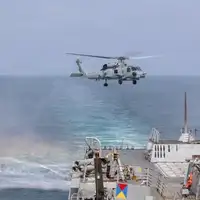
France said its Charles de Gaulle aircraft carrier is operating near the Middle East but not inside the Strait of Hormuz right now, stressing that its mission is defensive and aimed at protecting freedom of navigation.
Speaking to BFMTV, French Minister Delegate to the Minister of the Armed Forces Alice Rufo said the carrier had passed through the Suez Canal and Red Sea and was “on station,” giving France the ability to monitor developments and maintain diplomatic leverage in the region.
“We want to restore freedom of navigation in the Strait in a way that is entirely defensive and in line with international law,” she said.
The United Arab Emirates said on Friday it retains the right to defend itself against Iran after accusing Tehran of carrying out more than 3,000 missile and drone attacks since February 28.
Speaking at a BRICS foreign ministers’ meeting in India, UAE Minister of State Khalifa bin Shaheen Almarar said Emirati air defenses intercepted ballistic missiles, cruise missiles and drones targeting civilian infrastructure including airports, ports, oil facilities and residential areas.
He also accused Iran of disrupting international shipping routes and using the Strait of Hormuz as a tool of “economic blackmail.”
Ahmad Alamolhoda, firebrand Friday prayer leader of the religious city of Mashhad, said the United States would suffer greater losses if fighting resumes, adding that Iran’s forces were better prepared than at the start of the war.
“If America wants to continue the war, it will certainly suffer a greater defeat,” Alamolhoda said.
“We were somewhat caught off guard at the start of the war, but now our fighters are more prepared.”
Alamolhoda also said US air defense systems failed to intercept Iranian missiles and argued the conflict had damaged Washington’s standing as a global power.
Iranian Foreign Minister Abbas Araghchi said he told Indian Foreign Minister Subrahmanyam Jaishankar that Tehran would continue its “historical duty” in securing the Strait of Hormuz, a key global shipping route.
“In fruitful engagement with my host Dr. S. Jaishankar, discussed regional developments and clarified that Iran will always carry out historical duty as protector of security in Hormuz,” Araghchi wrote on X.
Araghchi added that “Iran is a reliable partner of all friendly nations, who can rely on safety of commerce.”