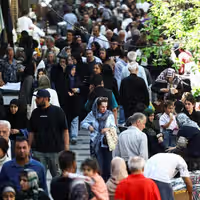
Workers and business owners described a surge in unemployment and poverty. In industrial hubs like Qazvin and Marvdasht, residents said factories are shutting down or firing staff due to a lack of raw materials and missing government support.
"The internet is cut, goods are scarce, and prices increase every day," one citizen told the broadcaster.
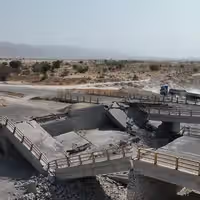
In the petrochemical industry, sellers of UPVC pipes said they stopped operations because volatile prices make sales a guaranteed loss. Others reported that companies using polypropylene face severe shortages of raw materials following damage to petrochemical plants.
In Isfahan and Qazvin, workers said factories are refusing to renew contracts or are labeling staff as "not needed" to move them onto unemployment insurance. One employer told Iran International he was forced to cut his workforce because customers can no longer pay their debts.
The reports also highlight a failure to raise wages. Despite a promised 60% increase, workers said the labor department told them the government has issued no new orders to raise pay.
The crisis extends beyond industry. One resident said new goods arrive in shops at double their previous price. "Tablecloths are becoming empty one after another," the resident said, referring to the shrinking ability of families to buy food.
Younger Iranians also reported a sense of despair. An 18-year-old said the lack of internet and economic pressure has turned life into a struggle for "survival," while students in Rasht expressed fear over upcoming final exams and university entrance tests during the instability.