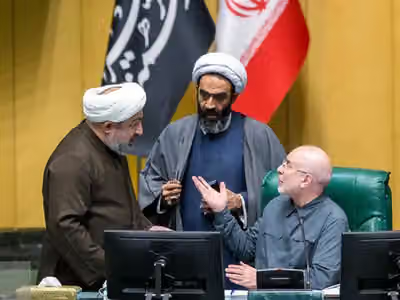
Foreign Minister Maria Malmer Stenergard said the decision came after Iran executed an Iranian-Swedish citizen accused of spying for Israel, a charge Stockholm and European officials have rejected.
“This is just the beginning,” she said, adding that Sweden was considering additional measures.
Under the new policy, no new short-term visas will be granted to Iranian diplomatic staff and existing permits will not be extended, affecting at least two embassy employees whose residency will expire in May.
The execution has triggered a broader diplomatic response across Europe. The European Union condemned the killing as “brutal and unjustifiable” and expressed concern over what it called a worsening human rights situation and rising use of capital punishment in Iran.
Sweden is also pushing within the EU for sanctions against individuals involved in the judicial process that led to the execution, including potential travel bans across the bloc.
The move comes amid widening diplomatic strains linked to the ongoing conflict involving Iran, the United States and Israel, which has reshaped international engagement with Tehran.
In recent days, Lebanon expelled Iran’s ambassador from Beirut, while Australia said it would temporarily restrict some Iranian visitor visa holders from entering the country.