Iran protests stretch into fourth week as blackout, security pressure persist
People march in support of nationwide protests in Iran, Los Angeles, California, US January 18, 2026.
More than 20 days into protests across Iran which have been largely quelled in the deadliest violence in decades, accounts from inside the country sent to Iran International describe a widening crackdown.
The internet remains largely cut, de facto curfews persist in several cities, authorities continue to pressure families of slain protestors while security deployments deepen in hospitals and morgues.
The protests began on December 28 and have continued despite sweeping security measures, according to witnesses and reports gathered from multiple cities across the country.
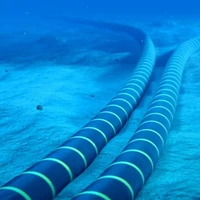
NetBlocks, an internet monitoring group, said on Monday that Iran’s nationwide internet blackout had entered its 12th day, with international connectivity still minimal. Authorities appear to be testing a heavily filtered domestic intranet that intermittently allows limited messaging, NetBlocks said.
Iranian authorities have not publicly detailed the scope or duration of the restrictions, which activists say have severely limited communication, emergency services and independent verification of events.
A small aircraft flies over the city while carrying a banner reading "Free Iran," as part of demonstrations supporting nationwide protests in Iran, in Los Angeles, California, January 18, 2026.
Judiciary warns of swift punishment
On Monday, judiciary chief Gholamhossein Mohseni Ejei described protesters as “rioters and troublemakers” and said cases linked to unrest would be handled rapidly.
“Swift and timely implementation of punishment, without delay, is one of the elements of deterrence,” Ejei said, according to state media, adding that no delay would be tolerated in pursuing protest-related cases.
Under Iranian law, some charges related to unrest – such as moharebeh (enmity against God) can carry severe penalties, including the death sentence.
Hospitals and morgues under pressure
Accounts received by Iran International suggest the crackdown has extended beyond the streets into hospitals, emergency care and the handling of bodies.
Witnesses in several cities said security forces entered hospitals, removed injured protesters and restricted treatment. One doctor in the northern city of Rasht told Iran International that security forces took wounded protesters from a hospital and transferred blood supplies to a military facility.
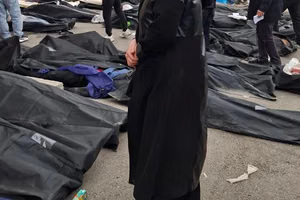
Similar reports from other cities described morgues filling rapidly and security forces maintaining a visible presence around medical centers.
Families of those killed said they faced pressure when seeking information about bodies or burial arrangements, including financial demands and restrictions on funerals.
Several accounts said ambulances failed to reach areas where shootings occurred, with some witnesses saying phone networks were down and emergency calls could not be placed.
Others said wounded protesters bled to death after taking shelter in nearby buildings because hospitals refused to admit them or because transport was unavailable.
Reports of lethal force and curfews
Witnesses described widespread use of live ammunition and pellet guns in cities including Karaj, Rasht, Shiraz and parts of Tehran province.
In Karaj, residents said security forces used tactical withdrawals to funnel large crowds into enclosed areas before opening fire. In Rasht, witnesses said protesters were trapped amid smoke and flames before being shot. No specific dates were mentioned in these accounts.
Reports from multiple cities indicated that informal curfews were in effect on Sunday, with armed patrols, checkpoints, phone searches and restrictions on nighttime movement. Residents said leaving homes after certain hours could lead to threats or detention.
Detentions and holding sites
Witnesses also reported large numbers of arrests, with some detainees held in non-prison facilities such as government buildings, camps or utility compounds.
In the northern city of Gorgan, one resident said dozens of bodies were temporarily held at a camp, while detainees were taken to a nearby prison quarantine area. Similar accounts from Qom and Isfahan described protesters being held in improvised locations.
Tight controls on burials
Accounts described families being warned to accept official narratives about the deaths of relatives or face delays in retrieving bodies. Some said burials were conducted at night with limits on attendance, while others described threats of unmarked or collective burials.
Witnesses also reported verbal abuse by security personnel at burial sites and forensic facilities.
International reaction
The protests have prompted demonstrations by Iranian communities abroad, including in Europe, Asia and Oceania with massive rallies held in the US, UK and Canada.
Several European countries have summoned Iranian ambassadors in recent weeks, while senior officials in Germany and other states have made unusually blunt statements criticizing Tehran’s handling of the unrest.
Iranian officials have repeatedly blamed foreign powers, including the United States and Israel, for the protests, accusations denied by Western governments.
With internet access still largely cut and independent journalists unable to operate freely, the full scale of the violence remains unclear.
Iran International continues to receive a high volume of consistent eyewitness accounts from across the country, but verification remains difficult due to the communications blackout and security restrictions.
For many Iranians, witnesses said, the combination of street violence, disrupted medical care and pressure on families has turned daily life into what they described as an atmosphere of fear and uncertainty more than three weeks after the protests began.