The Center for the Supervision of Mosque Affairs, a branch of the Organization for Islamic Propagation, oversees and coordinates mosque activities.
Prayer leaders in major mosques are appointed or vetted by provincial representatives of the Supreme Leader, while smaller neighborhood mosques may select imams locally—though clerical approval is still required.
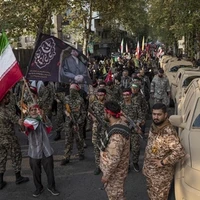
Mosques also serve as mobilization hubs, with Basij units of the Revolutionary Guards frequently operating from them. This dual religious–military role shapes both administration and staffing.
No fewer than 24 institutions—from the Leader’s provincial offices and Basij units to the Endowment and Charity Affairs Organization (ECAO) and municipal authorities—play a direct or indirect role in mosque management.
Yet despite extensive resources, many remain underutilized.
Reza Moamami-Moghaddam of the ECAO has acknowledged that of Iran’s 85,000 mosques, only about 2,750 are highly active, around 20,000 host regular religious or cultural activities, and more than 16,000 are almost or completely inactive.