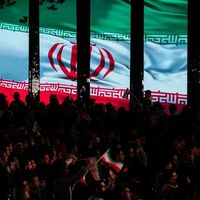
The Iranian government on Friday said it has initiated “defensive, political, and legal” measures following overnight Israeli airstrikes that targeted sites in Tehran and killed several individuals, including senior military and nuclear figures.
“The Islamic Republic of Iran has begun the necessary defensive, political, and legal measures to make the illegitimate Israel regret its actions,” the government said in a statement.
It described the strikes as “a violation of national sovereignty” and accused Israel of acting “outside all international norms.”
Iran said the attacks, which came amid diplomatic engagement over Tehran’s nuclear program, revealed “the regime’s fear of Iran’s ability to defend and convince the world.”
While reiterating that Iran has not initiated war in over two centuries, the statement asserted: “We consider retaliation and defense to be our legitimate right.”
It added that Israel’s actions had erased any distinction between the Iranian government and its people in Tel Aviv’s targeting, and that the response would be united.
Iran called on the United Nations Security Council to respond, but noted it would not “wait on international bodies.”