Iranian economist blames US for plunging rial under 'economic war'
Iran’s national currency has plummeted further as the economic crisis continues, with the exchange rate hitting 950,000 rials per US dollar on Saturday, dropping 14% since last month and 86% year on year.
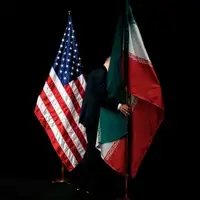
Speaking to state-run ISNA, economic expert Vahid Shaghaghi pointed to the influence of the US which has, under President Donald Trump's second term, renewed its 'maximum pressure' policy on Iran.
“The maximum pressure policy has resumed, and the US has gained additional experience from the previous campaign under Trump. The puzzle of sanctions is being completed, and in Trump’s new executive order, non-oil exports are also targeted,” he said.
Shaghaghi called for a coordinated response, urging the government and institutions to form a national and governmental consensus to counter the impact of such measures. “In an economic war, issues should not be perceived simplistically,” he added.
The rial’s steep decline has fueled inflation expectations, which have risen sharply since late December, when the dollar was still around 760,000 rials. Market concerns have intensified following Supreme Leader Ali Khamenei’s recent speech rejecting negotiations with the United States.
With the Iranian New Year (March 20) approaching, demand for imported goods—requiring foreign currency—is likely to push rates even higher. The price of gold has surged alongside the dollar, as Iranians seek refuge in hard assets.
For millions of Iranians, the continued currency collapse has eroded purchasing power.
Over the past five years, wages have failed to keep pace with surging costs, with the average worker’s monthly income now equivalent to just $125—far below the estimated $500 needed to cover basic living expenses, forcing at least one third of the nation below the poverty line.