The rial, which began its decline in September, plummeted to more than 680,000 against the dollar, while Iranian officials and state-controlled media remained silent on Wednesday. In mid-August, the currency was trading at 585,000 to the dollar, representing a drop of more than 15% in under two months.
The rial dropped to 737,000 against the euro and 885,000 against the British pound.
Iran is already grappling with soaring inflation exceeding 40%, and the rial's continued decline will drive prices even higher, further impoverishing a population that has seen its purchasing power erode significantly since 2018. That year, U.S. sanctions imposed by the Trump administration—following its withdrawal from the 2015 nuclear deal—targeted oil exports and banking, slashing Iran’s income and dealing a severe blow to its oil-dependent economy.
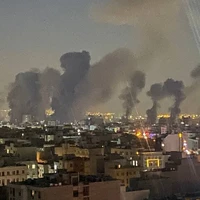
In August, Israel began its punishing attacks on Iran’s proxy, the Lebanese Hezbollah, and eventually killed its leader, Hassan Nasrallah. This led to an Iranian retaliation with ballistic missiles on October 1. Since then, Iran has been expecting a retaliatory strike by Israel, that could inflict damage on its infrastructure, including the oil sector.
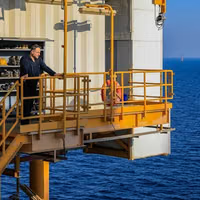
On top of mounting military and economic pressures, President Masoud Pezeshkian unveiled next year’s budget on Tuesday, allocating nearly 20% of Iran’s oil export revenue—estimated to exceed $10 billion—primarily to the Revolutionary Guard. In the current budget, the military’s share of oil is around 200,000 barrels per day, while next year it would be an estimated 430,000 barrels.