Pezeshkian must focus on real de-escalation at UN, senior ex-MP says
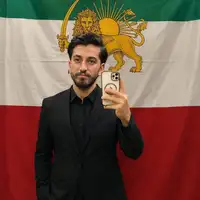
Former lawmaker Heshmatollah Falahatpisheh
Iran must prioritize genuine de-escalation as tensions flare in the Mideast, an influential former parliamentarian and political commentator has written ahead of President Massoud Pezeshkian's debut speech at the UN General Assembly.
"Now that Pezeshkian has come into office with the slogan of de-escalation, some are trying to drag him into sanctions and tensions," Heshmatollah Falahatpisheh, a former head of the National Security Committee of the parliament and a foreign policy analyst, told private Iranian news agency Fararu.
"His duty is to the nation, or at least to the part of the nation that trusted and voted for him expecting change, especially in foreign policy."
Some factions oppose Pezeshkian's push to reduce tensions with Western countries to ease sanctions, while supporters hold on to the hope that he will follow through on his promises.
Falahatpisheh emphasized that past diplomatic approaches have failed to yield results and Pezeshkian must pursue a path more committed to genuine change.
No more talk
"The era of speech-centered diplomacy has passed ... Most past presidents have taken trips that haven’t been fruitful," Falahatpisheh said.
"If this trip is no different, it will turn into a costly and ineffective one for the country. Those who have imposed costly foreign policies must be held accountable. The Iranian people have the right to question those who imposed high-tension policies."
Iran's President Masoud Pezeshkian arrived in New York on September 22, 2024 to attend UNGA
Sanctions imposed on Iran, primarily by the United States and its allies, have harmed the country’s economy and the everyday lives of its citizens. These sanctions, especially those targeting Iran's banking, oil, and trade sectors, have led to inflation, reduced purchasing power, and a scarcity of essential goods.
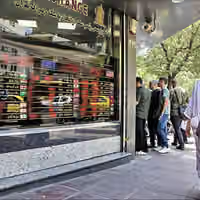
The national currency, the rial, has devalued, making imports more expensive and driving up the prices of food, medicine, and other essentials. While the government attempts to provide basic commodities at subsidized rates, many still struggle with rising costs.
Medicines, particularly those for chronic and rare diseases, are often difficult to obtain despite exemptions on humanitarian goods due to logistical barriers and banking restrictions.
Calls for de-escalation and accountability
Falahatpisheh pointed out that many of those who initially opposed the FATF and JCPOA six years ago now support reviving these agreements, recognizing the need to address the costs of sanctions and tensions.
"If Pezeshkian wants to act differently from the past, he should initiate a serious de-escalation strategy, and this must begin and take shape in New York. We expect him to pursue maximum de-escalation with the world."
Sanctions have also affected employment, with reduced foreign investments and trade opportunities leading to job losses in various sectors. Youth unemployment remains high, while businesses, especially small and medium-sized enterprises, face difficulties in securing the materials and funds needed to operate.
These economic pressures have led to widespread discontent, with many Iranians calling for solutions to ease their daily hardships.
In recent years, the strain has pushed people to the streets in protest, demanding economic relief and political reforms.
"The experience of the past 11 months has shown that since Iran and the US delayed making their indirect negotiations in Oman serious, both sides have entered a highly challenging field designed by Benjamin Netanyahu," Falahatpisheh added, referring to Iranian nuclear talks.
"Despite the enmity between Iran and the US, neither wants tensions in the region. Unfortunately, the Oman negotiation table has been removed, and both sides are now stuck."
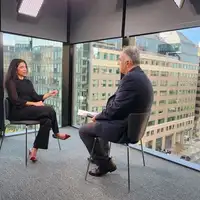
Iranian President Masoud Pezeshkian during a meeting with American media representatives in New York, September 23, 2024