• العربية
  • فارسی
BrandBrand
  • Iran Insight
  • Politics
  • Economy
  • Analysis
  • Special Report
  • Opinion
  • Podcast
  • Live TV
  • Iran Insight
  • Politics
  • Economy
  • Analysis
  • Special Report
  • Opinion
  • Podcast
  • Live TV
  • Theme
  • Language
    • العربية
    • فارسی
  • Iran Insight
  • Politics
  • Economy
  • Analysis
  • Special Report
  • Opinion
  • Podcast
  • Live TV
All rights reserved for Volant Media UK Limited
volant media logo

Over 8,000 Oil Workers Go on Strike Demanding Higher Wages

Jun 22, 2024, 16:04 GMT+1
National Iranian Drilling Company workers staging a protest in the southern city of Ahvaz

Over 8,000 oil project workers across more than 60 contracting companies have launched a strike throughout various regions of Iran.

The strike, which began this past Wednesday, was organized by the Council for Organizing Oil Contract-Workers' Protests, demanding changes including wage increases and a more humane work schedule.

In recent years, Iran's oil and gas industry has increasingly substituted regular employees with contract workers, subjecting them to tough working conditions and low wages.

The striking workers are not only challenging their immediate labor conditions but are also advocating for broader reforms in the industry, emphasizing the necessity for improved dormitory conditions and enhanced safety measures in the workplace.

These protests are part of a larger trend of increasing labor unrest in Iran, where workers have been consistently voicing their grievances over delayed wage payments, low wages, arbitrary layoffs, and the negative impacts of privatization policies.

Compounding the tensions, protesting workers have been receiving threatening text messages from supporters of the contractors, a move seen by many as an attempt to suppress the growing dissent, according to Alireza Mirghaffari, a member of the board of the Supreme Council of Labor Associations.

Over the last six years, the value of Iran's national currency, the rial, has plummeted by fifteen times, leading to rampant inflation and widespread poverty among millions of Iranians.

Most Viewed

Iran says US tone shifts but demands still block talks
1

Iran says US tone shifts but demands still block talks

2

Iran rejects nuclear talks despite ongoing mediation with US

3

'No geographic limits': Tehran projects readiness for all-out war

4
PODCAST

Netanyahu or not, the next move on Iran may be Trump's

5

Iran’s nuclear bomb debate gains ground on official platforms

Banner
Banner

Editors' Pick

  • Iran says US tone shifts but demands still block talks

    Iran says US tone shifts but demands still block talks

  • Halloween gathering in Tehran ends in arrests and police crackdown

    Halloween gathering in Tehran ends in arrests and police crackdown

  • Netanyahu or Eisenkot? Tehran sees little difference on war
    INSIGHT

    Netanyahu or Eisenkot? Tehran sees little difference on war

Banner
Banner
Banner
Banner

Spotlight

  • Qatar turns to US LNG to cushion Iran war losses

    Qatar turns to US LNG to cushion Iran war losses

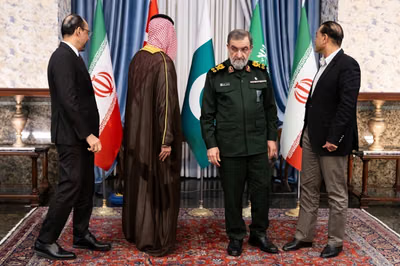
  • Mohsen Rezaei’s negotiating calculus: someone else always pays the price
    ANALYSIS

    Mohsen Rezaei’s negotiating calculus: someone else always pays the price

  • Iran’s nuclear bomb debate gains ground on official platforms

    Iran’s nuclear bomb debate gains ground on official platforms

  • Residents describe struggle to afford basic needs as Iran inflation hits 88.7%
    VOICES FROM IRAN

    Residents describe struggle to afford basic needs as Iran inflation hits 88.7%

  • Netanyahu or not, the next move on Iran may be Trump's
    PODCAST

    Netanyahu or not, the next move on Iran may be Trump's

  • New Baha'i memoir recounts life inside Iran's prisons

    New Baha'i memoir recounts life inside Iran's prisons