Food Prices Soar In Iran Amid Rial Devaluation And Israel Tensions

Iran is grappling with soaring food prices amidst economic turmoil and the devaluation of the rial compounded by Iran-Israel tensions.
Iran is grappling with soaring food prices amidst economic turmoil and the devaluation of the rial compounded by Iran-Israel tensions.
According to reports from Iran's state-run Khorasan newspaper, the cost of essential food items has skyrocketed since the beginning of the Iranian New Year in March 2024, coinciding with the month of Ramadan. Beans have seen a staggering 30% increase in price, while red meat prices have surged by 25%. Additionally, summer foods have seen a remarkable 50% hike, with rice and several other items following suit with increases ranging from 10% to 15%.
Earlier in April, in an interview with so-called reformist news site Entekhab, Reza Kangari, the head of the Tehran Provincial Union of Food Banks, also highlighted the recent significant rise in food prices. Kangari stated that “some food items have seen a 30% rise" and attributed the rise to the depreciation of the rial, supply shortages, and subsequent price gouging.
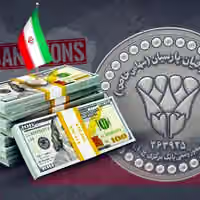
The root cause of this alarming price surge lies in Iran's faltering economy, exacerbated by the continuous devaluation of the Iranian rial. The rial has continuously fallen since the inception of the Islamic Republic in 1979, but it turned into a steep fall in 2018 when the United States withdrew from the JCPOA nuclear deal, demanding its revision. Oil export sanctions and international banking restrictions imposed by the Trump administration badly hurt Iran’s oil-dependent economy.
The Iranian rial has witnessed a sharp decline, losing over 30% of its value against major currencies since the onset of January this year. Additionally, following Iran's military and drone attack on Israel on April 13, the rial experienced an unprecedented downfall, with the dollar surpassing the 700,000-rial threshold.
Furthermore, Iran's economy has been besieged by a prolonged period of high inflation, with rates surpassing 40% for the past five years. Additionally, Iran's substantial state debt and liquidity challenges contributed to the devaluation of the rial. This devaluation has had a cascading effect on the prices of essential food items. Since President Ebrahim Raisi assumed office in August 2021, Iran's liquidity has almost doubled, fueling rampant inflation that surged to 47% in the last fiscal year.
Despite the government's recent announcement of being committed to addressing the issue of food security, the relentless upward trajectory of food prices has only served to compound the economic woes faced by ordinary Iranians, pushing many further into financial precarity.
In the lead-up to Norouz, Iranian New Year on 20 March, according to messages received by Iran International Iranians lamented a sharp decline in their purchasing power, with essentials like rice, red meat, and dairy vanishing from household budgets.
While external factors such as US sanctions undoubtedly play a significant role in Iran's economic challenges, domestic policies and priorities also come under scrutiny.
For instance, sanctions resulted in a significant decrease in Iran-India trade, plummeting by as much as a third. Rice, which constitutes the primary export from India to Iran, saw a sharp decline of 34%, falling from $2 billion in 2022 to $723 million in 2023.
The consistent reluctance of Iran's leadership, Supreme Leader Ayatollah Ali Khamenei, to address fundamental problems such as the nuclear issue has exacerbated the country's economic isolation and hindered efforts to alleviate the plight of its citizens.
As economic woes deepen with soaring food prices, Iranian citizens face dwindling options and rising prices, painting a bleak picture ahead.