• العربية
  • فارسی
Brand
  • Iran Insight
  • Politics
  • Economy
  • Analysis
  • Special Report
  • Opinion
  • Podcast
  • Live TV
  • Iran Insight
  • Politics
  • Economy
  • Analysis
  • Special Report
  • Opinion
  • Podcast
  • Live TV
  • Theme
  • Language
    • العربية
    • فارسی
  • Iran Insight
  • Politics
  • Economy
  • Analysis
  • Special Report
  • Opinion
  • Podcast
  • Live TV
All rights reserved for Volant Media UK Limited
volant media logo

IAEA Begins To Reinstall Cameras At Iran Nuclear Facilities: Grossi

May 2, 2023, 16:14 GMT+1Updated: 01:50 GMT+1
A surveillance camera is displayed during a news conference about developments related to the IAEA's monitoring and verification work in Iran, in Vienna, Austria June 9, 2022.

The International Atomic Energy Agency started re-installing the removed surveillance cameras in Iran.

After Western powers introduced a resolution in June 2022 to censure Iran over its nuclear program, Iran turned off a number of nuclear watchdog cameras.

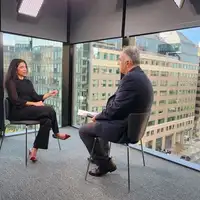
In an interview with PBS NewsHour on Monday, IAEA Director-General Rafael Mariano Grossi said the agency is installing cameras and reconnecting some online monitoring systems.

The IAEA is responsible for monitoring and verifying Iran’s compliance with the 2015 nuclear deal, which limited the country’s nuclear activities in exchange for sanctions relief.

Iran has been gradually scaling back its commitments under the deal in response to the US withdrawal from the agreement and the re-imposition of sanctions.

The IAEA has been able to continue its monitoring of Iran’s nuclear program through other means, including satellite imagery, but the loss of the cameras raised concerns about the agency’s ability to detect any potential covert activities.

On March 4, 2023, Iran and the IAEA agreed to a new plan to allow the agency to reinstall certain surveillance equipment in the country.

As soon as the agreement was announced, the Atomic Energy Organization of Iran and IAEA offered different interpretations about what it would include, raising questions about its implementation.

Grossi did not indicate whether Iran would allow the agency to install an online enrichment monitor at Fordow where the agency detected 84 percent enriched uranium in January.

In addition, he did not address whether the IAEA would have access to the recordings made by the cameras or whether Tehran would turn over the data only if the JCPOA was restored.

Most Viewed

US pilot rescue inside Iran draws mockery of Guards
1

US pilot rescue inside Iran draws mockery of Guards

2
VOICES FROM IRAN

Iranians say basic food slipping beyond reach as bread prices soar

3

Eight women face execution in Iran, rights group warns

4
ANALYSIS

Foreign investment in Iran hits zero after war

5

Iran court sentences January protest detainee to death, rights group says

Banner
Banner
Banner

Spotlight

  • Iran's Saudi leverage could become its liability
    ANALYSIS

    Iran's Saudi leverage could become its liability

  • Rushed trials, public hangings: Iran courts race to crush dissent
    INSIGHT

    Rushed trials, public hangings: Iran courts race to crush dissent

  • Israeli envoy says no victory until Islamic Republic falls

    Israeli envoy says no victory until Islamic Republic falls

  • Russia may fill Iran gap if support for Yemen Houthis falters
    ANALYSIS

    Russia may fill Iran gap if support for Yemen Houthis falters

  • Bid to oust Pezeshkian exposes rift among Iran conservatives
    INSIGHT

    Bid to oust Pezeshkian exposes rift among Iran conservatives

  • Iran’s hardliners bet on escalation as options narrow
    ANALYSIS

    Iran’s hardliners bet on escalation as options narrow