• العربية
  • فارسی
Brand
  • Iran Insight
  • Politics
  • Economy
  • Analysis
  • Special Report
  • Opinion
  • Podcast
  • Live TV
  • Iran Insight
  • Politics
  • Economy
  • Analysis
  • Special Report
  • Opinion
  • Podcast
  • Live TV
  • Theme
  • Language
    • العربية
    • فارسی
  • Iran Insight
  • Politics
  • Economy
  • Analysis
  • Special Report
  • Opinion
  • Podcast
  • Live TV
All rights reserved for Volant Media UK Limited
volant media logo

Exclusive - Lack Of Gasoline Alarms Iranian Officials

Maryam Sinaiee
Maryam Sinaiee

Iran International

Mar 19, 2023, 18:23 GMT+0Updated: 18:02 GMT+1
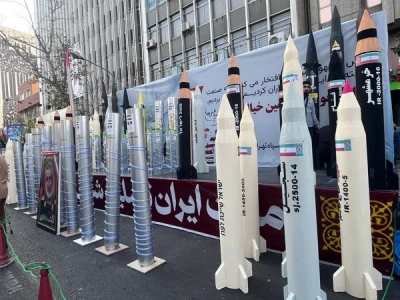
Riot police against protesters in Tehran during 2019 protests

Iran's strategic gasoline reserves have dropped to five-days’ supply, forcing the government to consider a new fuel management plan and precautions to prevent possible unrest.
Iran International has acquired a classified document outlining the proceedings of a meeting of various government officials from different departments at the presidential office in late February according to which strategic fuel reserves have dropped to a dangerously low level, forcing major repairs at refineries to be delayed to allow maximum production for the time being.

The document sent to the president and a host of other officials including the chief justice and parliament speaker, as well as heads of the military and law enforcement forces refers to the imbalance in gasoline production-usage levels as a “serious issue”.

Participants in the meeting decided that the oil ministry, which is apparently drawing up the new plan, should offer assurances to the public that it will help maintain the supply of fuel at normal levels. The meeting decided to advise officials to avoid any public remarks or suggestions that could be interpreted as an intention to raise current fuel prices.

100%
Riot police against protesters in Tehran during 2019 protests

Details of the new fuel usage management plan have not been mentioned in the document.

There have been several reports in recent months that Iran’s refineries face technical problems and they operate below normal levels. Lack of foreign currency, US sanctions and insufficient natural gas supplies are all reasons impeding full operational capacity.

The report also includes several suggested measures, including controlling domestic media reporting on the issue and containing the consequences of enforcing the plan amid the many economic troubles that Iranians are currently facing.

In November 2019, the announcement of the government’s decision to increase fuel prices by 50–200 percent triggered a cycle of protests and unrest across the country that lasted for over two weeks. During this time, angry protesters torched hundreds of gas stations, banks, and government buildings.

Gas station torched by protesters in Eslamshahr to the south of the capital Tehran, November 2019.

Security forces heavy-handedly suppressed the protests amid a week-long internet shutdown. The crackdown was the most violent since the Islamic Revolution of 1979. The month of Aban in the Iranian calendar during which the protests occurred is now often referred to as “Bloody Aban”.

Thousands including journalists were arrested. The government never officially reported the death toll but as many as 1500 were killed according to unofficial reports.

Daily gasoline consumption has risen to 104 million liters from 82m liters before the pandemic, the report says, adding that usage is expected to rise to between 120m and 130m during the New Year holidays (late March and early April).

While the representative of the Central Bank of Iran in the meeting attributed the increased fuel use to smuggling to neighboring countries, a representative of the Economic Security Police blamed high fuel use of domestically produced vehicles and recommended an increase in production.

The meeting focused on the fuel supply issue but some other economic topics such as controlling the foreign exchange market were also discussed. According to the report, the meeting tasked security and judiciary bodies with controlling the media coverage of these issues.

Most Viewed

Iran weighs attacks on military targets in Europe – FT
1

Iran weighs attacks on military targets in Europe – FT

2
ANALYSIS

The 60-day deadline is over. Now what does Trump do with Iran?

3
VOICES FROM IRAN

Tehran gas stations run dry as fuel price hike fears mount

4

Iran campaign urges people to fund sacrifice of 10,000 sheep for Khamenei’s health

5

Luxury Tehran property asking prices surpass Munich and Sydney

Banner
Banner
Banner

Spotlight

  • UAE trade halt threatens one of Iran’s remaining economic lifelines
    ANALYSIS

    UAE trade halt threatens one of Iran’s remaining economic lifelines

  • Can Iran's fragile economy survive Trump's 'Economic D-Day'?
    ANALYSIS

    Can Iran's fragile economy survive Trump's 'Economic D-Day'?

  • The unlikely return of European diplomacy in the Iran-US conflict
    ANALYSIS

    The unlikely return of European diplomacy in the Iran-US conflict

  • For Iranian journalists, exile can last a lifetime
    OPINION

    For Iranian journalists, exile can last a lifetime

  • Seven months on, January protests still shape Iranians’ lives
    VOICES FROM IRAN

    Seven months on, January protests still shape Iranians’ lives

  • Forced to serve in the IRGC, now fighting to stay in Canada
    INSIGHT

    Forced to serve in the IRGC, now fighting to stay in Canada