• العربية
  • فارسی
BrandBrand
  • Iran Insight
  • Politics
  • Economy
  • Analysis
  • Special Report
  • Opinion
  • Podcast
  • Live TV
  • Iran Insight
  • Politics
  • Economy
  • Analysis
  • Special Report
  • Opinion
  • Podcast
  • Live TV
  • Theme
  • Language
    • العربية
    • فارسی
  • Iran Insight
  • Politics
  • Economy
  • Analysis
  • Special Report
  • Opinion
  • Podcast
  • Live TV
All rights reserved for Volant Media UK Limited
volant media logo

EU's Borrell Still Hopes For A Nuclear Deal With Iran

Feb 7, 2023, 10:51 GMT+0
EU's foreign policy chief Josep Borrell

EU’s top diplomat Josep Borrell says that if Iran “took a further step in its military assistance to Russia” a nuclear deal with the West will be endangered.

But in an interview with the WSJ, Borrell appeared determined to continue efforts for a nuclear deal despite less interest by the United States, the United Kingdom, France and Germany, initial signatories of the JCPOA.

Nuclear talks that began in April 2021 to restore the 2015 deal known as the JCPOA, and lasted 18 months, failed to produce an agreement. Iran presented new demands last year, which effectively stopped the talks before popular protests broke out in Iran in September and Tehran began delivering kamikaze drones to Russia.

Tehran’s new demands in the talks, that Washington called “extraneous,” and its military assistance to Moscow, in addition to a bloody crackdown on protests brought formal talks to an end.

Borrell said that he has warned Tehran not to expand its military cooperation with Russia by refraining to deliver missiles in addition to hundreds of Kamikaze drones it has already supplied. He added that if Iran takes this step the US and Europe will lose interest in restoring the JCPOA.

Borrell blamed former US President Donald Trump for the deal’s collapse, when he exited the JCPOA in May 2018 and imposed heavy sanctions on Tehran.

Critics of the accord have insisted that the JCPOA was a “weak” agreement that would have allowed the Islamic Republic to have an unfettered nuclear program once most of its provisions expired by 2030.
Most Viewed

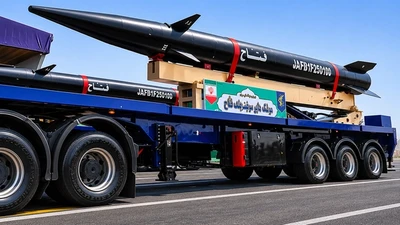
Iran develops new ballistic missile variants, US think tanks say
1

Iran develops new ballistic missile variants, US think tanks say

2
INSIGHT

Iran’s efforts to offset US naval blockade fall short, economists warn

3

Iran rapidly builds underground complex near nuclear sites – US institute

4

Iran-backed Iraqi militia prepares for renewed US-Iran war, report says

5

Iran dismisses US blockade, warns of broader confrontation

Banner

Spotlight

  • Iran’s ‘self-sanctions’ compound pressure from US blockade, critics say

    Iran’s ‘self-sanctions’ compound pressure from US blockade, critics say

  • Iranian women break silence on a lifetime of violence
    VOICES FROM IRAN

    Iranian women break silence on a lifetime of violence

  • Too poor to marry, young Iranians are offered religious workarounds
    INSIGHT

    Too poor to marry, young Iranians are offered religious workarounds

  • Persian Gulf oil exports near prewar levels despite Hormuz attacks
    INSIGHT

    Persian Gulf oil exports near prewar levels despite Hormuz attacks

  • Iran faces year-end cash squeeze if US blockade holds
    INSIGHT

    Iran faces year-end cash squeeze if US blockade holds

  • A broken leg and broken trust: Violence in Iran’s schools
    VOICES FROM IRAN

    A broken leg and broken trust: Violence in Iran’s schools

Banner
Banner
Banner
Banner
Banner
Banner