Iran Counts On An Overoptimistic 8 Percent Growth Next Year

Mardo Soghom
Iran International

Iran’s Planning and Budget Organization reportedly predicts an eight percent economic growth next year, even if United States’ sanctions remain in place.
Iran International
Iran’s Planning and Budget Organization reportedly predicts an eight percent economic growth next year, even if United States’ sanctions remain in place.
Fars news agency close to the Revolutionary Guard reported Wednesday that based on its sources, the Budget Organization believes that two factors will lead to a jump in economic growth in 2022.
First is the huge economic retrenchment Iran has experienced since 2018 when the Trump administration withdrew from the 2015 nuclear agreement, JCPOA, and imposed crippling sanctions. The argument presented is that any country with three years of substantial negative growth is set to rebound. Iran’s economy shrank by around 7-8 percent from 2018-2020. This year, the government says growth has been slightly positive, but inflation, a 50-percent budget deficit and fall in industrial output, for example in steel, tell a different story.
Second, Iranian budget officials believe that the Covid-19 will play a less destructive role in 2022. However, with new variants surfacing every few months, the pandemic is a highly unpredictable economic factor. Even world markets experienced a jolt this week as the Omicron variant raised global alarm.
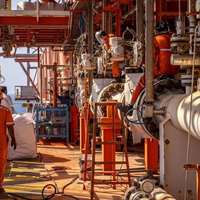
The big unknown is Iran’s illicit oil exports in the face of US sanctions. On Wednesday oil minister Javad Owji said that exports have substantially increased in the past few months compared with 2020. If this is true, it might provide some foreign currency to the government, but there are so many problems it has to address that a few billion dollars of oil sold clandestinely and cheaply would make a small dent.
It is worth noting that in its 43-year history, the Islamic Republic has had an average economic growth rate of 2 percent.
There is also the question of how the government handles the foreign currency it earns from oil. An economy website in Tehran, Donyae Eghtesad (World of Economy) this week published an analysis that said as long as successive governments used the oil income to defend the rial, an inherently weak national currency instead of real investments, growth has suffered.
The article argued that for a limited period the government should allow the currency to naturally fall against the US dollar to create an equilibrium with the existing 50-percent inflation and resist the temptation of temporarily flooding the market with petrodollars to help the rial. Dollars that the government injects in the foreign currency market is mostly taken out of the country by people and businesses who know that the rial is weak and build their economic egg nests abroad.
The rial has fallen ninefold since 2017, from around 33,000 to the dollar to 290,000. Observed from a 45-year perspective, the rial has fallen more than 4,000-fold. During the monarchy one US dollar was stable at 70 rials.
Donyae Eghtesad also argues that using earned dollars in a wise and responsible manner is half the equation to ensure economic growth. The other side of the coin is economic reform that the Islamic Republic has been reluctant to embrace. The quasi-state-controlled system must be drastically altered, the website says.
But somewhat similar to the Soviet economy, political power in Iran is closely intertwined with economic control by the government. If the government liberalizes the system and losses control over the economy, it will also lose political power.
The best example is the Revolutionary Guard, which is one of the biggest economic players in the country, despite being the main military entity in the country. The regime can hardly survive challenges by angry citizens, if it takes economic power away from the Guards. They have proven time and again that when large protests erupt, they are willing to shoot and kill hundreds to protect the political system.