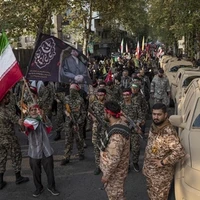
A visit to Washington by Israel's national security adviser, Eyal Hulata, will allow the two allies to share intelligence and develop a "baseline assessment" of how far Tehran's nuclear program has advanced, the official said.
Under a 2015 deal, Iran curbed its uranium enrichment program, a possible pathway to nuclear arms, in return for the lifting of economic sanctions. Then-President Donald Trump quit the deal in 2018 and the Israeli government opposes US efforts to revive it.
In broad terms, US experts believe the time it would take Iran to achieve nuclear "breakout" – enough enriched uranium to build a nuclear bomb – has "gone from about 12 months down to a period of about a few months" since Trump pulled out of the pact, the official said, speaking on condition of anonymity.
"Obviously that is quite alarming," the official told reporters ahead of Hulata's talks with US national security adviser Jake Sullivan.
Iran has consistently denied it is developing nuclear weapons.
Echoing President Joe Biden's comments in a White House meeting with Israeli Prime Minister Naftali Bennett in August, the official said: "We of course remain committed to a diplomatic path."
"But obviously if that doesn't work there are other avenues to pursue, and we are fully committed to ensuring that Iran never develops a nuclear weapon."