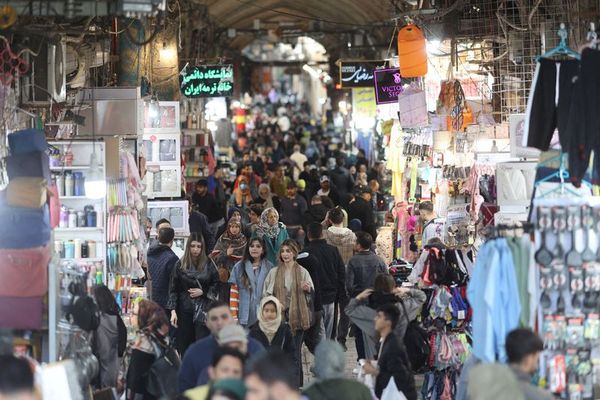
Squeezed Iranians doubt whether Iran talks will bring relief
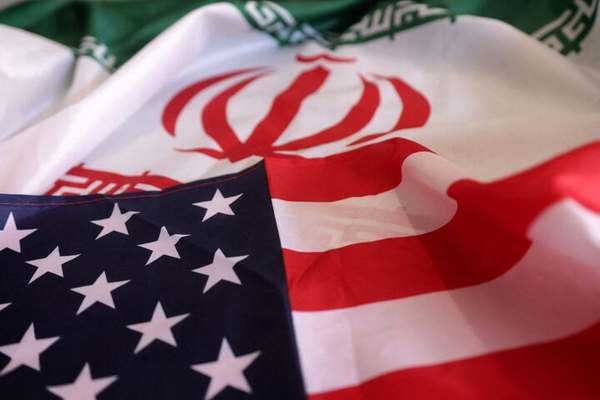
Some Iranians are questioning whether US-Iran talks will alleviate persistent economic hardship and political repression.
Some Iranians are questioning whether US-Iran talks will alleviate persistent economic hardship and political repression.
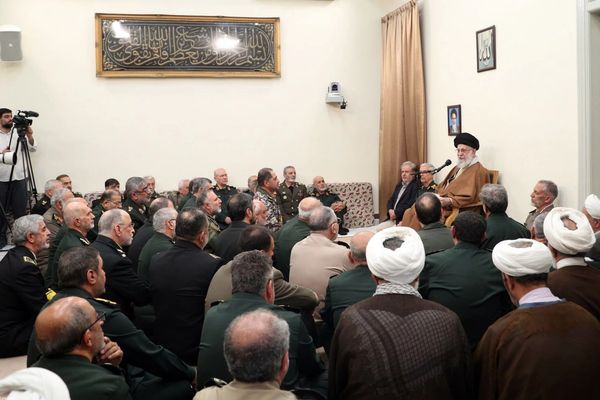
A day after talks between Iranian and American officials in Oman, Supreme Leader Ali Khamenei told military commanders that Iran’s armed forces must maintain maximum readiness to confront hostile pressure.
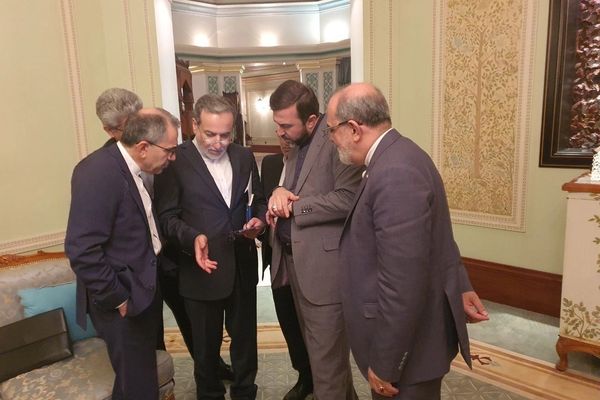
The initial indirect nuclear discussions between Iran and the United States in Muscat established a tone of equality between the two parties, according to Iranian Foreign Minister Abbas Araghchi.
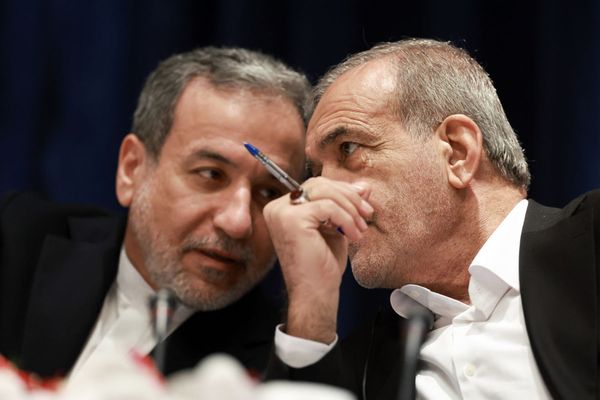
Amid mounting domestic and economic pressures, Iranian officials appear to be trying to entice the United States into a new deal favorable to Tehran by offering potential access to Iranian markets for US investors.
Two senior Iranian political figures warned that internal disunity and vested domestic interests could undermine negotiations with the United States, as officials from both sides resume contacts in Oman.
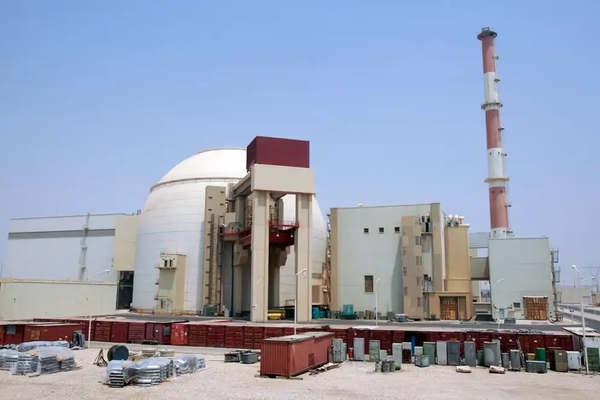
Iran’s nuclear program has dominated global headlines for over two decades, drawing in multiple US presidents, triggering waves of sanctions, and raising persistent fears of a regional war.
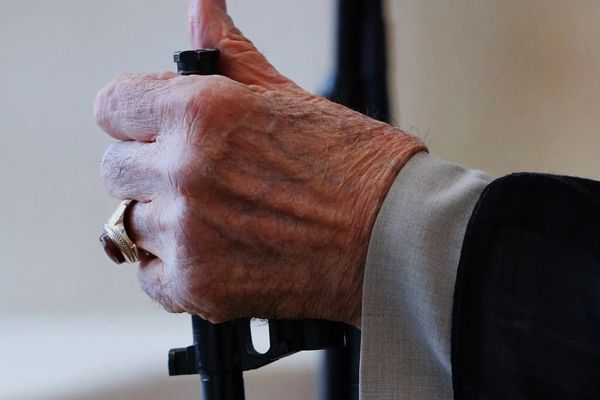
Supreme Leader Ali Khamenei's oft stated mantra of "no war and no negotiations" with the United States became untenable when US President Donald Trump gave a stark ultimatum that he reach a nuclear deal or face attack.
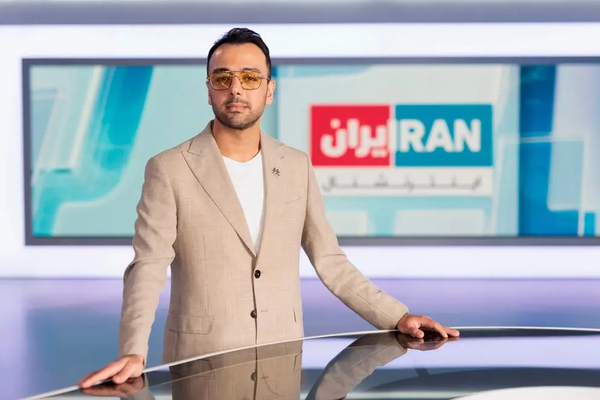
The trial of two Romanian nationals accused of attacking Iran International TV presenter Pouria Zeraati has been postponed by five weeks on the order of a judge at the Central Criminal Court of England and Wales.
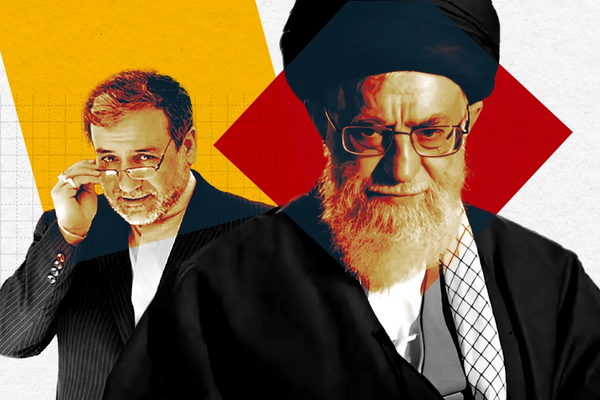
In the final moments before indirect negotiations with the United States begin in Oman, Iranian hardline media is urging Tehran to stand firm against Donald Trump, push for the full lifting of sanctions, and highlight divisions within the White House.
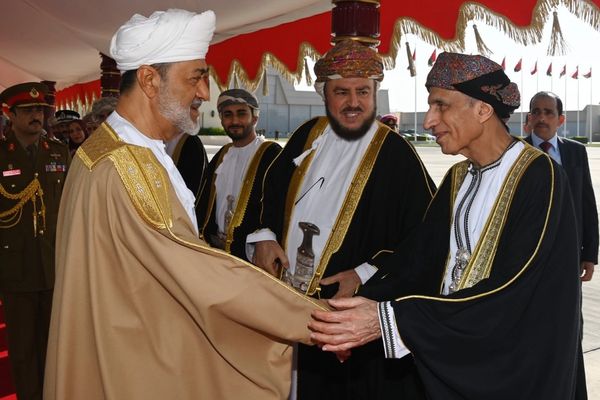
If US President Donald Trump’s shock announcement in the Oval Office on Wednesday that his administration was due to hold talks with Iran this weekend was a surprise, the choice of Oman as host was not.
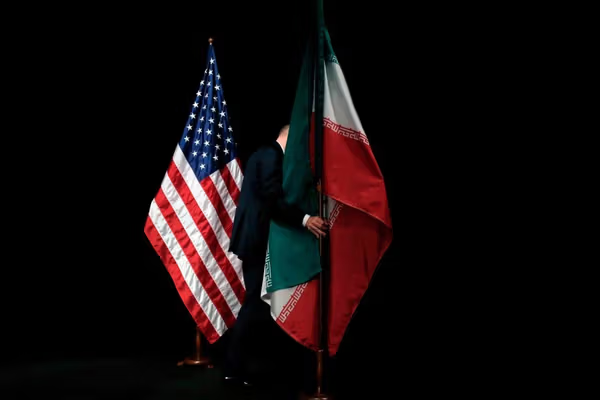
Tehran and Washington are heading into high-stakes talks in Oman this weekend that could determine the path ahead: diplomacy or war. The outcome may shape not only regional stability, but the survival of the Islamic Republic, which has ruled Iran for more than four decades.
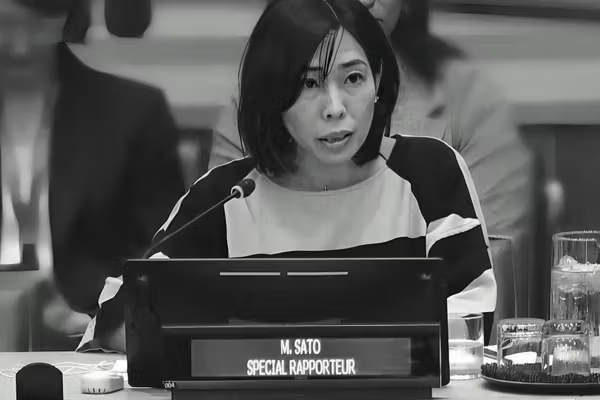
The planned amputation of three men’s fingers in Iran amounts to torture and must be halted immediately, the UN Special Rapporteur on Human Rights in Iran told Iran International in an interview.
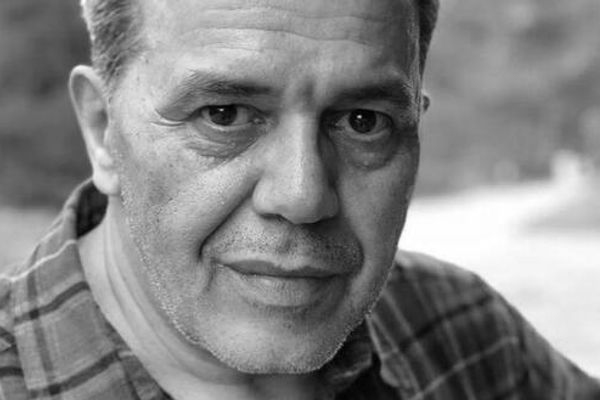
Iranian authorities had removed several organs from dual national Jamshid Sharmahd before transferring his body to Berlin after his sudden death in an Iranian prison while awaiting execution, the family's lawyers said Friday.
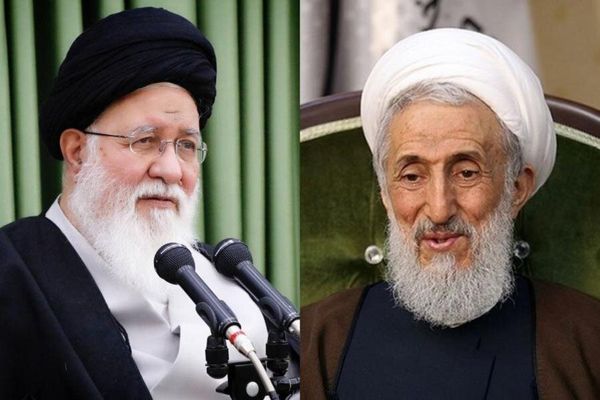
While most semi-official media outlets in Iran and many political figures have expressed support for what they describe as indirect talks with the United States, hardline clerics loyal to Supreme Leader Ali Khamenei are voicing sharp opposition.
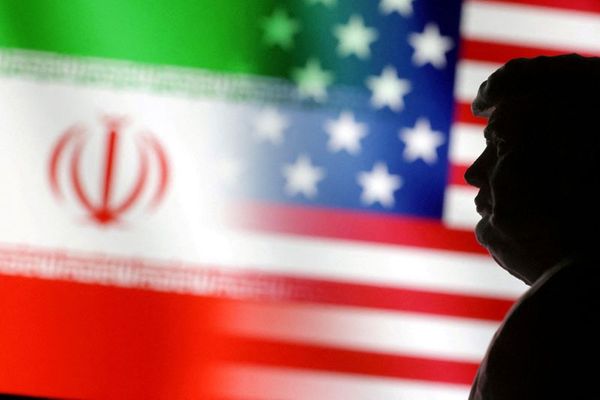
In Iran, anticipation is mounting as the countdown begins for the upcoming talks between Iranian and US delegations over the future of the country’s nuclear program and the possible lifting of crippling sanctions.

Iran plans to amputate the fingers of three men convicted of theft on Friday just days after executing five political prisoners, prompting alarm from UN human rights experts and international rights groups.
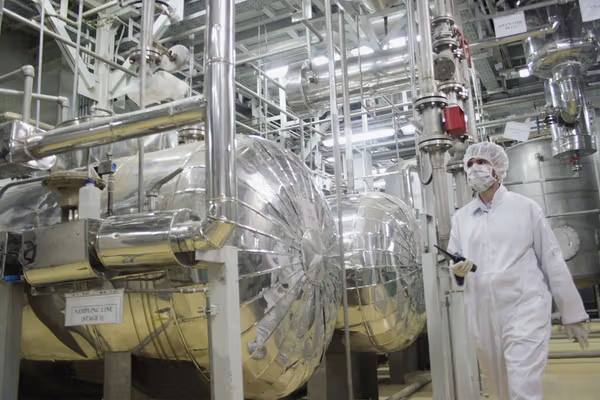
Iran's nuclear threat has worsened to an "extreme danger" level since last year, according to a new report by a US-based research institute.
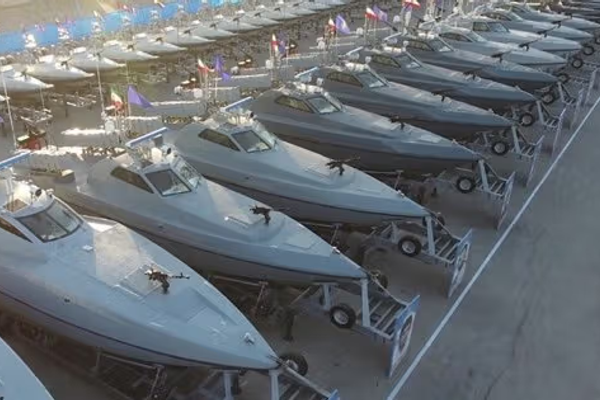
Iran’s top commanders sharpened their rhetoric against the United States and Israel ahead of expected diplomatic contacts in Oman, boasting of technical superiority and strategic endurance in the face of Western pressure.
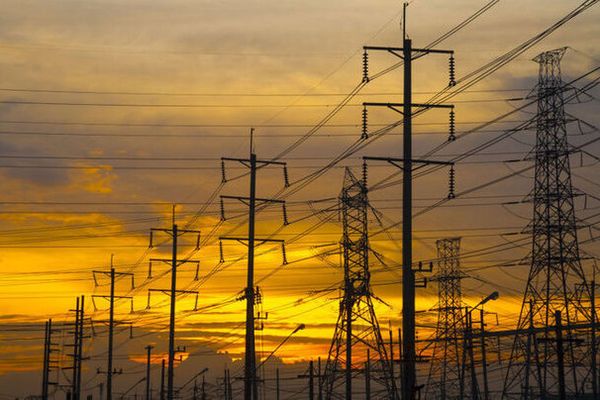
As nuclear talks resume and threats from the US and Israel continue, Iran’s atomic chief claims the country’s electricity shortages will be solved by building new nuclear power plants.
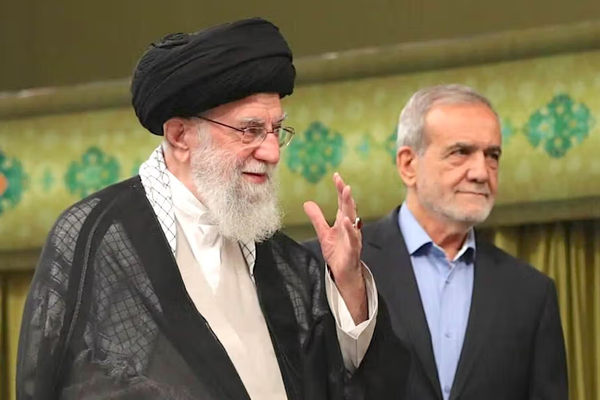
Supreme Leader Ali Khamenei’s decision to drop his longstanding opposition to talks with the United States drew criticism from some Iranians that the veteran leader capitulated under pressure in order to retain power.
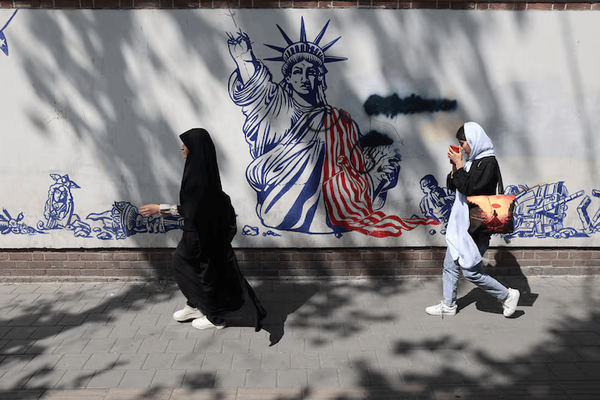
Iran’s conservative factions are concerned upcoming talks with the United States could extend beyond the nuclear file and may involve additional demands such as disarming Tehran’s regional allies that remain deeply contentious.