Qom cleric links protests to corruption networks
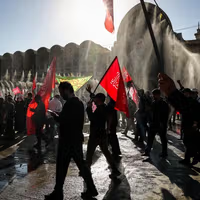
A senior cleric in Iran’s Qom seminary said on Tuesday that “infiltrators” and economic corruption networks were fueling public discontent, as protests over livelihoods continued across the country.
Mohammad Javad Fazel Lankarani, a seminary professor and member of the Qom Seminary Teachers’ Association, said some actors were worsening economic conditions to raise public anger.
“One cannot ignore the role of certain infiltrators and networks of economic corruption,” he said, accusing them of creating “economic disorder” and shifting its costs onto the system.
He said officials who lack the ability to run the country or confront corruption should not remain in office.
“If an official does not have the capacity to manage the country, or even a ministry, and cannot confront corruption and economic mafias, continuing in that responsibility is religiously impermissible,” he said.
Lankarani also stressed compulsory hijab, saying the spread of what he called moral decline was part of a planned project aimed at Iran’s religious identity, particularly among youth.