• العربية
  • فارسی
Brand
  • Iran Insight
  • Politics
  • Economy
  • Analysis
  • Special Report
  • Opinion
  • Podcast
  • Live TV
  • Iran Insight
  • Politics
  • Economy
  • Analysis
  • Special Report
  • Opinion
  • Podcast
  • Live TV
  • Theme
  • Language
    • العربية
    • فارسی
  • Iran Insight
  • Politics
  • Economy
  • Analysis
  • Special Report
  • Opinion
  • Podcast
  • Live TV
All rights reserved for Volant Media UK Limited
volant media logo

Iran's currency falls amid fears of Israeli retaliation

Oct 6, 2024, 13:14 GMT+1Updated: 15:42 GMT+0
Iranian rials and US dollars being traded in Tehran. File photo

Iran's currency, the rial, has dropped by more than 5% in two weeks, following Israeli strikes against Hezbollah in Lebanon, Iran's missile attack on October 1, and Israel's threat of retaliation.

On Sunday, October 6, the rial was trading at 630,000 to the US dollar, down from 592,000 on September 20, when Hezbollah began experiencing mass casualties from exploding pagers and walkie-talkies. This was followed by an Israeli airstrike that killed Hezbollah leader Hassan Nasrallah, prompting Iran to launch a massive ballistic missile attack on Israel. Israel's subsequent threat of retaliation has left Iran on edge, further weakening its already battered currency.

Gold prices also rose in Tehran in tandem with a rising dollar and other major currencies.

An Israeli attack could target Iran’s energy sector, potentially causing domestic chaos and a significant reduction in oil exports—the financial lifeline of Tehran's Islamic government.

Iranians are concerned about a potential Israeli attack, although it seems targets will be mainly military and political. An attack on Iran's refineries could lead to serious difficulties as the winter approaches.

Since 2018, when the US withdrew from the JCPOA nuclear deal and imposed sanctions on Iran’s oil exports and international banking, the rial has lost 15 times its value. In the past three years alone, it has depreciated by more than 50%.

This sharp devaluation has coincided with soaring inflation, now hovering between 40-50%, pushing tens of millions of Iranians into poverty and creating a potentially volatile public mood.

The Iranian government has been quietly signaling an interest in new negotiations with the West this month to reduce sanctions, but so far, the US and its European allies maintain that only a genuine change in behavior will lead to talks."

Most Viewed

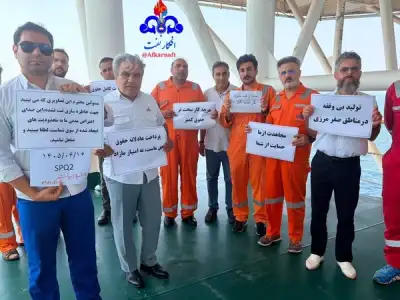
Iran oil workers protest pay conditions at offshore platforms, Assaluyeh
1

Iran oil workers protest pay conditions at offshore platforms, Assaluyeh

2

US carried out covert four-month Hormuz mine-clearing mission - FT

3

US sanctions all Iranian airlines in sweeping aviation crackdown

4
ANALYSIS

Iran’s new war strategy seeks to turn blockade into broader economic confrontation

5
ANALYSIS

Europe’s third-way ambitions on Iran give way to alignment with Washington

Banner
Banner
Banner

Spotlight

  • Iran’s gasoline price hike may add to revenues, but can it ease fuel shortage?
    ANALYSIS

    Iran’s gasoline price hike may add to revenues, but can it ease fuel shortage?

  • Iran deploys security forces as gasoline price rise takes effect
    VOICES FROM IRAN

    Iran deploys security forces as gasoline price rise takes effect

  • Iranian protester undergoes months of secret treatment to save wounded leg
    EXCLUSIVE

    Iranian protester undergoes months of secret treatment to save wounded leg

  • Iran’s new war strategy seeks to turn blockade into broader economic confrontation
    ANALYSIS

    Iran’s new war strategy seeks to turn blockade into broader economic confrontation

  • Europe’s third-way ambitions on Iran give way to alignment with Washington
    ANALYSIS

    Europe’s third-way ambitions on Iran give way to alignment with Washington

  • The gamble behind US attacks on Iran’s oil tankers
    ANALYSIS

    The gamble behind US attacks on Iran’s oil tankers