• العربية
  • فارسی
Brand
  • Iran Insight
  • Politics
  • Economy
  • Analysis
  • Special Report
  • Opinion
  • Podcast
  • Iran Insight
  • Politics
  • Economy
  • Analysis
  • Special Report
  • Opinion
  • Podcast
  • Theme
  • Language
    • العربية
    • فارسی
  • Iran Insight
  • Politics
  • Economy
  • Analysis
  • Special Report
  • Opinion
  • Podcast
All rights reserved for Volant Media UK Limited
volant media logo

Iranian Friday Imams Warn Against Hasty Retaliation Against Israel

Iran International Newsroom
Apr 6, 2024, 08:48 GMT+1
A building in Iran's embassy compound in Damascus collapsed after a precision missile strike on April 1, 2024

Following the recent air strike on the Iranian consulate in Damascus, several Friday Imams in Iran called on the government to exercise caution and avoid rushing into retaliatory actions against Israel.

Hassan Ameli, the representative of the Supreme Leader in Ardebil, emphasized the need for a composed response, stating, "We will not make a decision regarding revenge against Israel based on emotional impulses." He further stressed the importance of a comprehensive strategy in determining the appropriate course of action.

Lotfollah Dezhakam, representing Ali Khamenei in Fars province, echoed similar sentiments, asserting that “Israel made a mistake that it now regrets.”

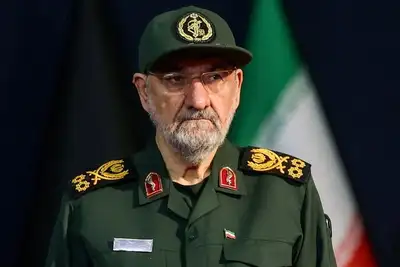
Mohammad Mehdi Hosseini Hamedani, another representative of Khamenei in Alborz province, also emphasized the importance of strategic patience in the face of provocation from adversaries.

Friday Imams' statements in Iran are commonly viewed as coordinated semi-official messages provided to them by a central office under the control of Supreme Leader Ali Khamenei.

Many analysts believe that the regime's longstanding strategy of refraining from direct conflict with Israel will persist despite recent provocations. Instead, Iran is expected to continue supporting its proxies in launching attacks on Israeli and US targets.

Iran supports various proxy groups across the Middle East, including Hezbollah in Lebanon, Hamas in the Gaza Strip, and various militias in Iraq and Yemen. Through financial, military, and ideological support, Iran aims to extend its influence, counter perceived adversaries such as Israel and the United States and promote its revolutionary ideology. The proxies often serve as a means for Iran to exert pressure on regional rivals. 

Most Viewed

Iran hits back after Trump says he may declare Hormuz US territory
1

Iran hits back after Trump says he may declare Hormuz US territory

2
INSIGHT

Tehran weighs benefits of brief Hormuz reprieve

3
INSIGHT

A silent letter on state TV turned Iran's top diplomat into an enemy of the faith

4
INSIGHT

How Iran’s Supreme National Security Council works, and who gets a vote

5

US vows 'indefinite' blockade as Iran signals offensive posture

Banner
Banner
Banner

Spotlight

  • War redraws Iran’s trade as ties with key partners plunge
    ANALYSIS

    War redraws Iran’s trade as ties with key partners plunge

  • Fear of unrest complicates Iran’s gasoline dilemma
    INSIGHT

    Fear of unrest complicates Iran’s gasoline dilemma

  • Iran’s security reshuffle lays bare political drama at the top
    ANALYSIS

    Iran’s security reshuffle lays bare political drama at the top

  • Tehran weighs benefits of brief Hormuz reprieve
    INSIGHT

    Tehran weighs benefits of brief Hormuz reprieve

  • Iranian forces used cultural sites, medical clinics in Alborz crackdown

    Iranian forces used cultural sites, medical clinics in Alborz crackdown

  • Tehran’s reshuffle leaves no pragmatic opening
    OPINION

    Tehran’s reshuffle leaves no pragmatic opening