US Lawmakers Pass Bill Targeting Iran's Oil Exports

The US House of Representatives has overwhelmingly approved a bill that aims to make it harder for Iran to sell its oil.
The US House of Representatives has overwhelmingly approved a bill that aims to make it harder for Iran to sell its oil.
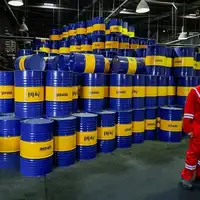
The legislation, known as the Stop Harboring Iranian Petroleum (SHIP) bill, was passed Friday with a vote of 342-69. It seeks to impose measures on foreign ports and refineries that handle petroleum exported from Iran in violation of US sanctions.
Iran's crude oil exports have been on the rise since 2021, after the Biden administration embarked on indirect negotiations with Tehran to revive the Obama-era JCPOA nuclear deal. Data from consultancies FGE and Vortexa shows that Iran's crude exports reached close to 2 million barrels a day, their highest level in over four years last month, with more than 80% of these exports going to China.
“They are using these funds to fund terrorism,” Rep. Mike Lawler said on CNN. “We need to impose stricter sanctions on the buyers of Iranian petroleum, starting with China.”
The SHIP Act is the latest in a long line of Congressional initiatives that target Iran. Any such initiative is effective only if the executive branch is willing to take it up and enforce it wholeheartedly –which doesn’t seem to be the case with the Biden administration.
Even if passed into law, many measures include national security waivers that grant presidents discretion in enforcing the law. And of course, China could ignore sanctions altogether, even if the US administration was willing to enforce them strictly.
Since 2021, Iran has increased its oil revenue by $80 billion.
Critics of President Biden say this money has been used by the IRGC to fund Hamas, Hezbollah and other militant groups in the region. Many at the Capitol blame the current government for turning away from Trump’s ‘maximum pressure’ policy on Iran.
“Biden Iran envoy Robert Malley helped directly fund and support Iranian intelligence,” wrote Rep. Ronny Jacjson on X. “At every turn, Biden has made Iran stronger, and has put our troops in harm’s way. Biden is the WORST president in history.”
In the last two weeks, US troops in Syria and Iraq have been attacked 27 times by Iran's militia proxy forces, despite repeated warnings from the administration, summarized in the now infamous phrase, “don’t” –which both President Biden and Vice President Harris have stated to be their message to the regime in Iran.
The Islamic Republic officials do not hesitate to boast about their support for militant groups in the region, most notably, Hamas in Gaza and Hezbollah in Lebanon.
So far, Hezbollah, by far the strongest of non-state actors in the Middle East, has avoided a full-scale conflict with Israel and has not attacked American forces.
Hezbollah leader Hassan Nasrallah said Friday that the Israel war on Hamas has spread to other fronts. He made no direct reference that could be read as a declaration of war on Israel, as some experts anticipated him to do.
He only claimed his group was ready for “all possibilities.”
Shortly before Nasrallah’s speech, the US Senate introduced a bipartisan bill aiming to enable the US Homeland Security Investigations (HSI) to enforce oil sanctions “to cut off Iran’s funding for its terrorist proxies.”
Senators Marco Rubio, a supporter of the bill who advocates a tougher stance against Iran, said Friday that “establishing credible deterrence risks escalation but failing to do so guarantees escalation.”
In a post on his X account, the Senator wrote, “Iran has now ordered 30 attacks on Americans. If the US does not impose a cost directly on Iran for these attacks, they will start coming faster.”