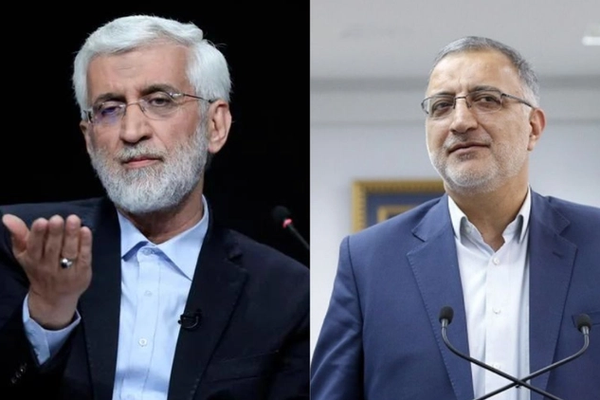
Election losers congratulate Iran's new president
As Masoud Pezeshkian was named Iran's next president, his presidential rivals sent messages of congratulations as the Supreme Leader called for government unity.
As Masoud Pezeshkian was named Iran's next president, his presidential rivals sent messages of congratulations as the Supreme Leader called for government unity.
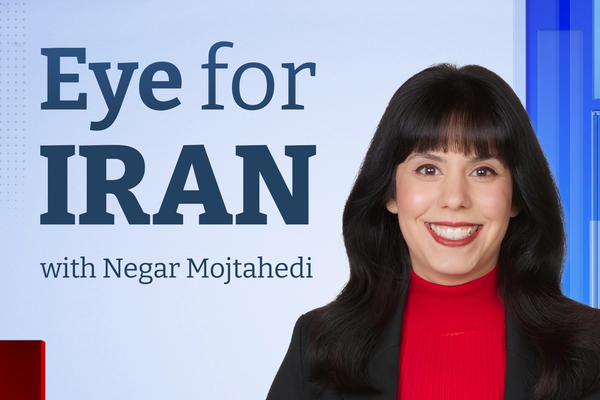
In Episode 5 of 'Eye for Iran', we discuss the Arab League’s decision to remove Hezbollah from its terror list and also the record-low voter turnout in the first round of Iran's presidential election.
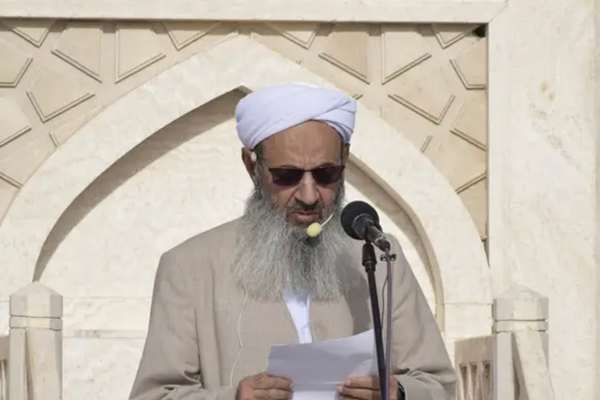
Iran's top Sunni cleric Mowlavi Abdolhamid has warned president-elect Masoud Pezeshkian that Iranians are "exhausted" and are losing patience with the country's ongoing issues.
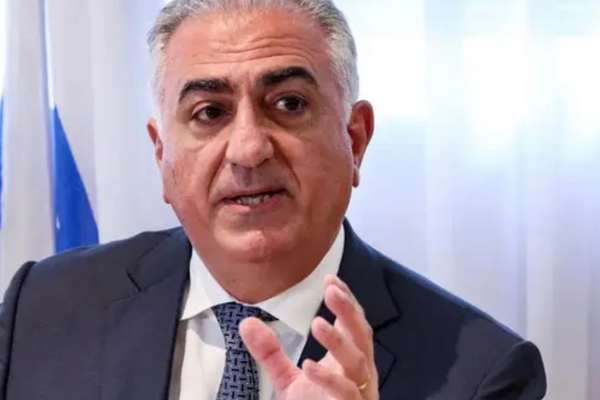
Iran’s exiled prince has warned Western powers against appeasing the Islamic Republic's new president, saying the Iranian people would view it as a betrayal of their struggle for freedom.
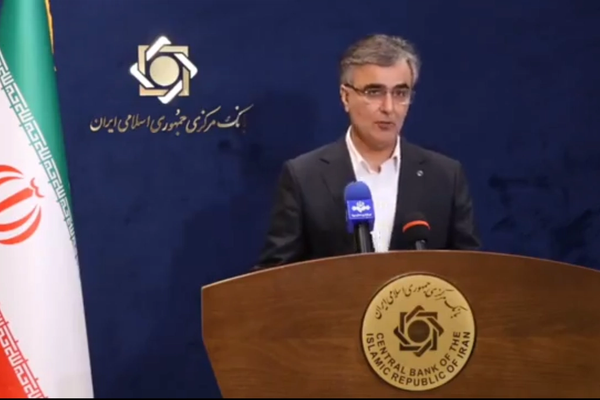
Iran and Russia have signed their first bilateral monetary agreement that they say is to strengthen financial and economic ties and counter the impacts of US sanctions on their economies.
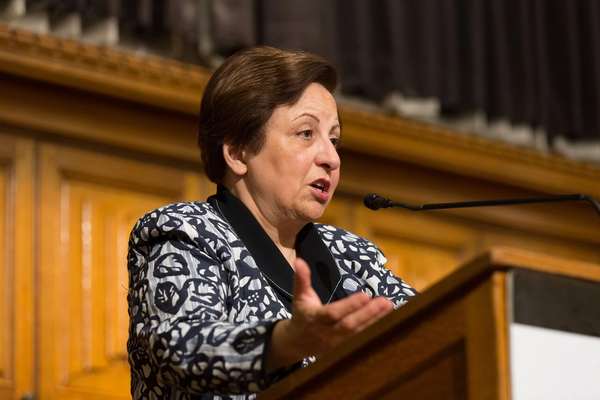
In the aftermath of Iran’s July 5 presidential runoff and 'reformist' candidate Masoud Pezeshkian's ascent to the presidency, Nobel Peace Prize laureate Shirin Ebadi has voiced strong criticism of 'reformists' in general and the newly elected president.
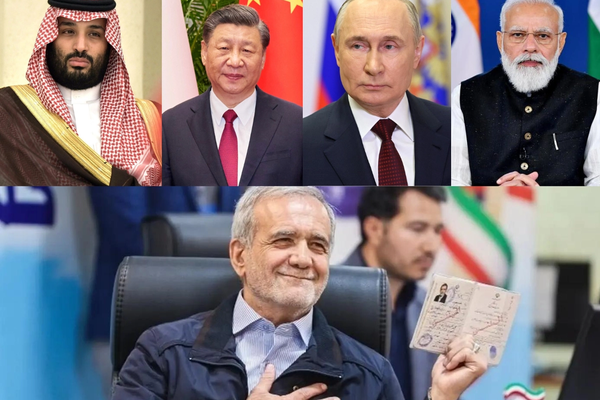
With the announcement of Masoud Pezeshkian as the winner of the July 5th Iranian presidential runoff vote, leaders from around the world have extended their congratulations.
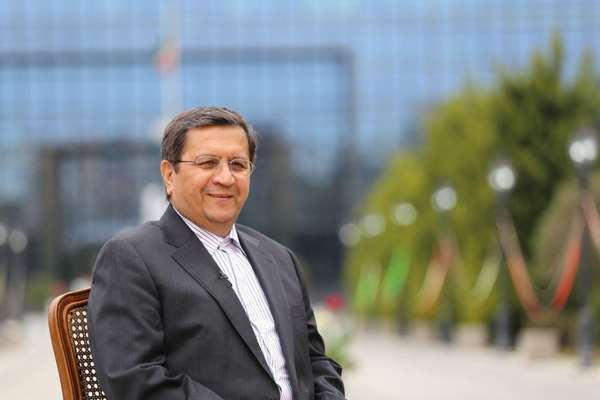
Former chief of Iran’s Central Bank, Abdolnaser Hemmati, told local media that one of the first tasks for the new president should be reaching an agreement with the West to lift sanctions.

Zeinab Jalalian, one of the longest-serving female political prisoners in Iran, is in her 17th year of life imprisonment in the central city of Yazd, enduring severe health issues without proper medical care.
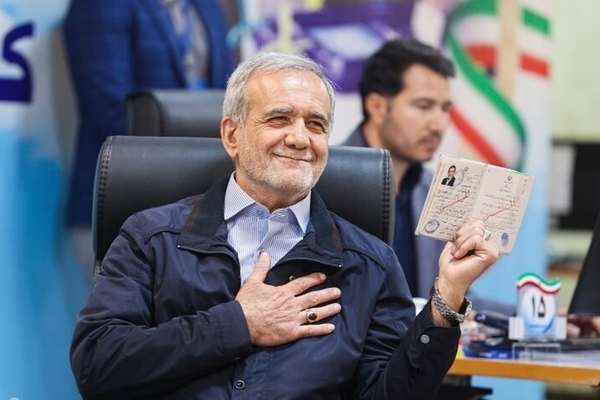
Masoud Pezeshkian, the relatively moderate of the two finalists was declared the ninth president of Iran after securing 53.6 percent of the votes in the July 5 runoff against ultra hardliner Saeed Jalili with 44.3 percent.
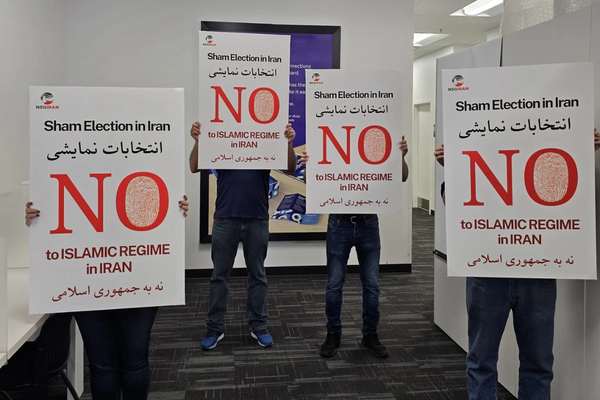
The Biden administration’s decision to allow Iran to hold votes on US soil sparked controversy on Friday, as Iranian-American activists gathered outside some polling stations to protest against those entering to cast their votes in Iran’s presidential election.
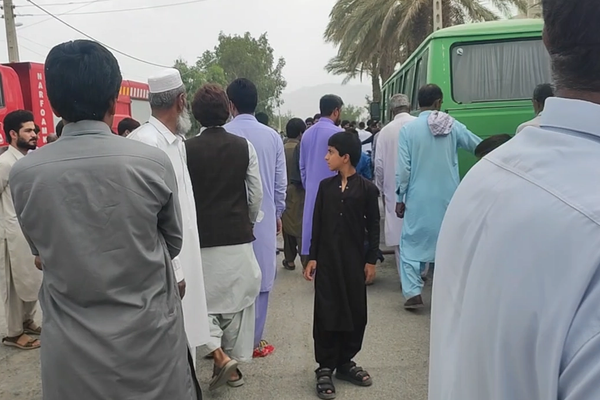
A minibus sent to collect votes from Sunni worshippers at a grand mosque in Saravan, in Iran's eastern Sistan-Baluchestan province, was set on fire, according to rights groups.
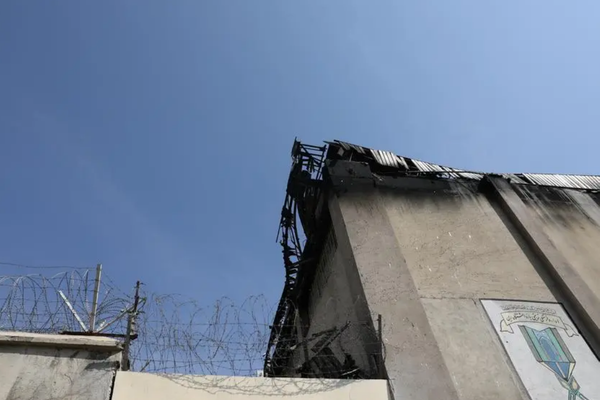
Political prisoners in Tehran’s notorious Evin Prison and Ghezel Hesar Prison in Karaj abstained from voting for the runoff presidential elections, just as they did last week.
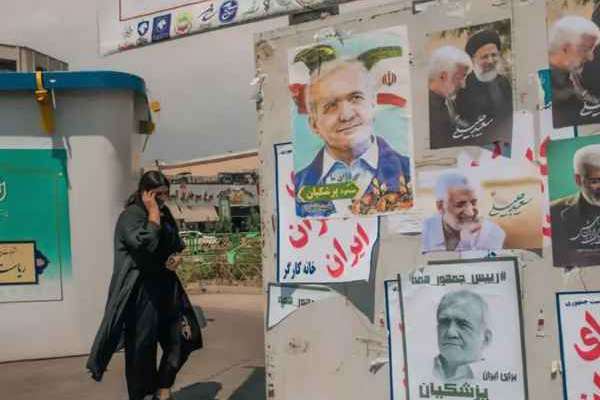
According to Iran's interior ministry, over 30 million Iranians have voted in the runoff presidential election, considerably higher that the nearly 40% participation in the first round on June 28.
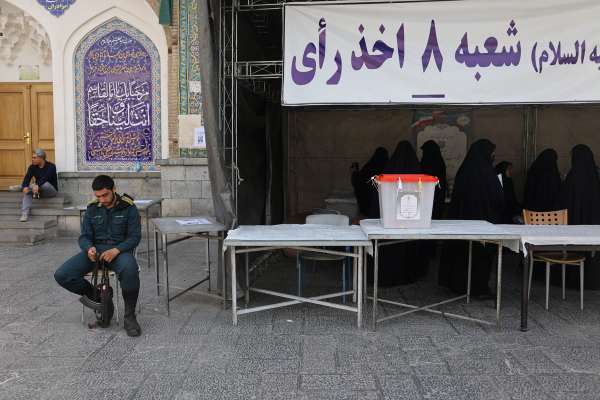
As eyewitness reports from Iran indicated many empty polling stations across the country, officials began claiming that the turnout was higher than in the first round of the election last Friday.
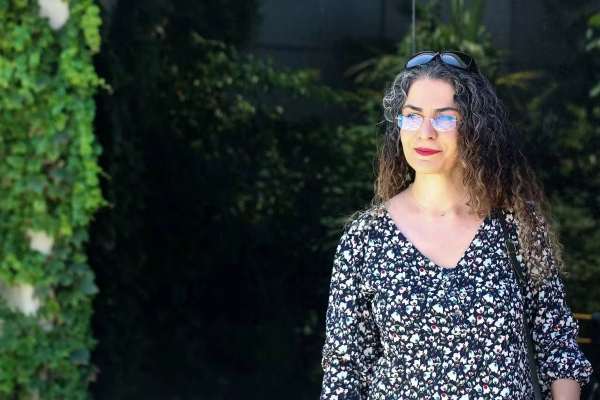
In an exclusive interview with Iran International, renowned activist Bahareh Hedayat accused the 'reformist' of abandoning the Iranian people during the presidential election and helping the government to boost turnout.
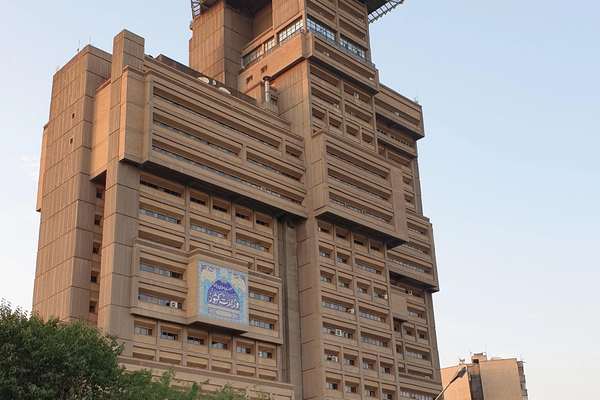
Some former and current officials and politicians have criticized the Interior Ministry for sending text messages urging citizens to vote in the presidential election, arguing that these messages are counterproductive and may actually lower turnout.
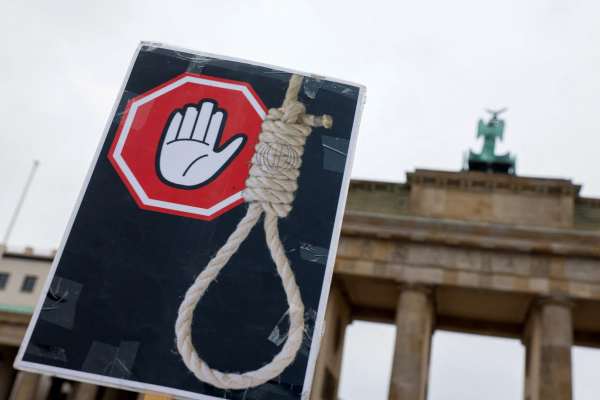
The Iran Human Rights Organization (IHRNGO) based in Norway has warned of a likely surge in executions following the presidential election in Iran.
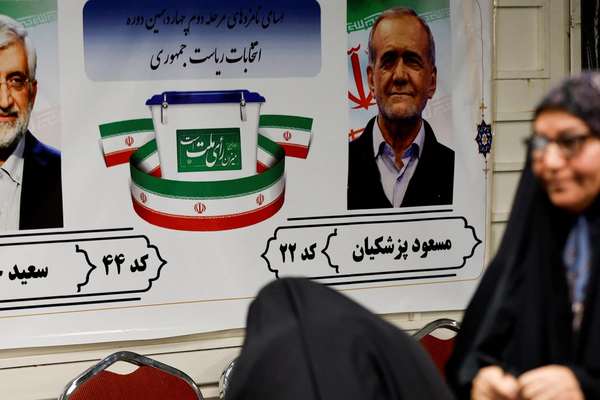
Iran will have a new president by Saturday, July 6. However, two factors have badly damaged the status of the President, whoever he might be, and even the institution of the presidency.
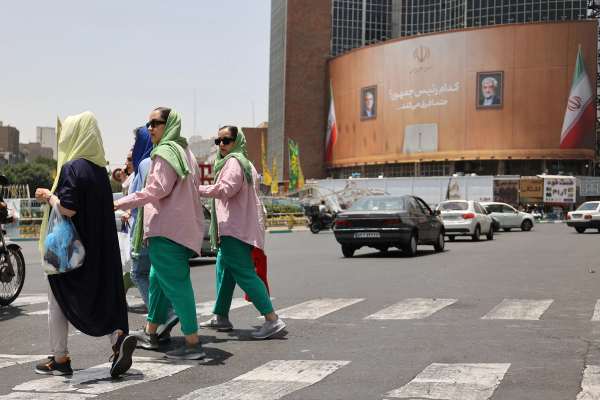
The families of slain protesters have denounced the Iranian authorities for taking advantage of their loved ones’ names in political campaigns and have advocated for an election boycott.
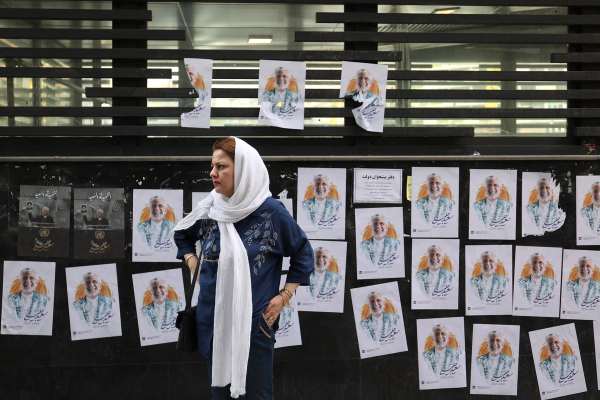
Whether the 60% who refused to vote in Iran on June 28 will abstain from voting in Friday’s runoff remains to be seen. However, many believe the majority has unequivocally demonstrated its demand for change.