• العربية
  • فارسی
Brand
  • Iran Insight
  • Politics
  • Economy
  • Analysis
  • Special Report
  • Opinion
  • Podcast
  • Live TV
  • Iran Insight
  • Politics
  • Economy
  • Analysis
  • Special Report
  • Opinion
  • Podcast
  • Live TV
  • Theme
  • Language
    • العربية
    • فارسی
  • Iran Insight
  • Politics
  • Economy
  • Analysis
  • Special Report
  • Opinion
  • Podcast
  • Live TV
All rights reserved for Volant Media UK Limited
volant media logo

Iran’s costs outweigh its gains in the region, Turkish FM says

Feb 28, 2025, 12:18 GMT+0
Turkey's Foreign Minister Hakan Fidan

Iran has paid a heavy price to maintain its influence in Iraq and Syria, yet its gains have been minimal compared to the costs, Turkey’s Foreign Minister said in an interview with Al Jazeera on Wednesday.

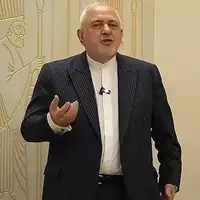
Hakan Fidan, who served as Turkey’s intelligence chief for nearly eight years, said he had shared this assessment with Quds Force commander Qasem Soleimani, who was killed in a US drone strike near Baghdad International Airport in January 2020. Iran’s regional strategy has fallen short of its goals, and shifting geopolitical dynamics have forced Tehran to reassess its role, according to Fidan.

His latest remarks echo his December interview, in which he criticized Iran’s involvement in Syria, arguing that despite its extensive presence, it failed to prevent the devastation in Gaza caused by Israel’s offensive. That interview highlighted Turkey’s evolving stance, as Ankara has gained leverage following the ousting of Bashar al-Assad, Iran's key ally in the region.

Ankara is widely regarded as the primary backer of the Syrian rebels who toppled Assad, led by Ahmed al-Sharaa.

Iran’s Supreme Leader Ali Khamenei, however, insists that Tehran's armed groups, including Hamas and Hezbollah, remain strong despite external pressures. Addressing developments in Gaza, Lebanon, and Syria, he accused the United States and Israel of misjudging the strength of Iran-backed groups, an assessment that appears increasingly disconnected from the shifting realities on the ground.

In a separate interview with the Saudi-affiliated Al-Hadath, Fidan noted that Iran must reflect on its actions post-Assad. He stressed the need for a regional order built on cooperation, sovereignty, and mutual interests, one that moves beyond the dominance of any single power, whether Iranian, Turkish, or Arab.

Most Viewed

Can Iran's fragile economy survive Trump's 'Economic D-Day'?
1
ANALYSIS

Can Iran's fragile economy survive Trump's 'Economic D-Day'?

2
ANALYSIS

UAE trade halt threatens one of Iran’s remaining economic lifelines

3
ANALYSIS

Turkey’s gas pivot leaves Iran with fewer cards to play

4

With the war quieting, Iran's hijab crackdown gathers pace again

5

Trans woman prisoner says she was raped in Iran Intelligence Ministry detention

Banner
Banner

Spotlight

  • Ghalibaf's hunger warning sparks hardline backlash over showing weakness
    INSIGHT

    Ghalibaf's hunger warning sparks hardline backlash over showing weakness

  • Iran crude loadings plunge to one-seventh of pre-war level as blockade bites
    ANALYSIS

    Iran crude loadings plunge to one-seventh of pre-war level as blockade bites

  • Turkey’s gas pivot leaves Iran with fewer cards to play
    ANALYSIS

    Turkey’s gas pivot leaves Iran with fewer cards to play

  • Can Iran's fragile economy survive Trump's 'Economic D-Day'?
    ANALYSIS

    Can Iran's fragile economy survive Trump's 'Economic D-Day'?

  • The unlikely return of European diplomacy in the Iran-US conflict
    ANALYSIS

    The unlikely return of European diplomacy in the Iran-US conflict

  • For Iranian journalists, exile can last a lifetime
    OPINION

    For Iranian journalists, exile can last a lifetime

Banner