Iran nears weapons-grade uranium in 'dramatic' escalation - IAEA chief
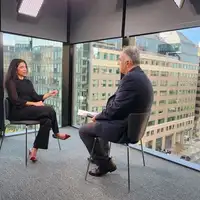
International Atomic Energy Agency (IAEA) Director General Rafael Grossi
Iran's capacity to produce uranium enriched to up to 60% purity, near weapons-grade, has seen a "dramatic increase," chief of the United Nations' nuclear watchdog the IAEA Rafael Grossi told Reuters on Friday.
"Today the agency is announcing that (Iran's) production capacity is increasing dramatically of the 60% inventory," he said in an interview with the agency in Bahrain.
Iran had been producing uranium enriched to up to 60% at a rate of approximately 5-7 kilograms per month, Grossi said, adding that figure is now expected to increase significantly.
When asked how much higher the production rate might rise, Grossi said: "Seven, eight times more, maybe even more."
The increase in the amount of uranium Iran has enriched to up to 60% purity is a serious escalation and worsens diplomatic efforts to resolve disputes over its nuclear program, Reuters reported Friday citing a German foreign ministry source.
“This is a serious escalatory step by Iran, which we strongly condemn. It is obvious that such measures significantly worsen the framework for diplomatic efforts,” the source added.
In November, Iran announced it had begun deploying advanced centrifuges to enrich uranium as part of its nuclear program. This move came in response to a resolution by the International Atomic Energy Agency (IAEA) demanding greater transparency in Iran's nuclear activities.
The IAEA resolution, supported by major Western powers, raised concerns about Iran’s lack of cooperation in addressing undeclared nuclear sites and called for full compliance with the Nuclear Non-Proliferation Treaty. Tehran rejected these concerns, accusing the agency of undermining trust through such measures.
Later, in a statement, France, Germany, the US, and the UK condemned Iran’s response, emphasizing that there is "no credible peaceful rationale" for the expansion of its nuclear program. They warned that Tehran's actions could deepen mistrust and further destabilize diplomatic efforts to resolve its nuclear ambitions.
Earlier this week, a senior Iranian diplomat said that Tehran might withdraw from the Nuclear Non-Proliferation Treaty (NPT) if the snapback mechanism reinstates UN sanctions lifted under the 2015 nuclear deal.
"In case of a snapback reinstatement, one of the options we proposed was withdrawing from the NPT... we could leave the treaty," Deputy Foreign Minister Majid Takht-Ravanchi was quoted as saying by a parliamentary spokesman on Tuesday.
These setbacks come as US President-elect Donald Trump prepares to revive his maximum pressure strategy on Iran, according to his newly appointed senior adviser on the Middle East, Massad Boulos.
"Of course, he will once again pursue his maximum pressure [campaign] against Iran," Boulos told the French outlet Le Point, adding that Trump would also be open to diplomacy alongside his firm approach.
During his first term, Trump implemented a series of measures to weaken Iran’s economy and limit its regional influence. He withdrew the United States from the nuclear deal with Tehran but did not initiate negotiations for a new agreement.