• العربية
  • فارسی
BrandBrand
  • Iran Insight
  • Politics
  • Economy
  • Analysis
  • Special Report
  • Opinion
  • Podcast
  • Live TV
  • Iran Insight
  • Politics
  • Economy
  • Analysis
  • Special Report
  • Opinion
  • Podcast
  • Live TV
  • Theme
  • Language
    • العربية
    • فارسی
  • Iran Insight
  • Politics
  • Economy
  • Analysis
  • Special Report
  • Opinion
  • Podcast
  • Live TV
All rights reserved for Volant Media UK Limited
volant media logo

Iran dismisses need for Russia’s S-400, touts domestic missile strength

Nov 17, 2024, 13:15 GMT+0Updated: 15:21 GMT+0
S-400 missile system

Iran has not requested Russia’s S-400 air defense system, an IRGC official said Sunday, emphasizing the superior capabilities of Tehran’s domestically developed air defense systems.

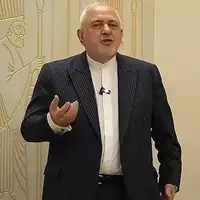
“Our current systems offer far superior capabilities compared to the S-400,” said Davood Sheikhian, deputy for operations of the IRGC Aerospace Force, in a video interview shared by state-controlled media.

He added that Iran is also actively using the Russian-made S-300 system and sees no need for the S-400.

Despite Sheikhian's assertion that Tehran never requested the S-400, reports in recent years have indicated that Iran sought to acquire advanced military technology from Russia, including Su-35 fighter jets and the S-400 air defense system, which Moscow has yet to deliver.

The S-400 system is widely regarded as one of Russia’s most advanced air defense systems, with capabilities to track and intercept various aerial targets, including ballistic missiles and stealth aircraft.

Multiple reports by Tehran's media outlets often spoke of negotiation to acquire the S-400 and there were even reports as recently as in August that Moscow had delivered the missiles.

Russia completed its delivery of the S-300 air defense missile systems to Iran in 2016, according to its state arms export agency, after years of delays due to international pressure. Moscow initially suspended the contract in 2010 under Western pressure, but President Vladimir Putin lifted the ban in 2016 following an interim agreement with Iran. The decision to proceed with the delivery at the time raised concerns in Israel, as the S-300 systems could significantly bolster Iran's air defense capabilities.


Sheikhian’s comments about Iran still using the S-300 contradict recent reports of Israeli airstrikes in late October that targeted and disabled Tehran's last three S-300 air defense systems, according to US and Israeli officials cited by Western media.

These S-300 systems were reportedly the final units in Tehran's arsenal, following the destruction of another battery in an April attack also attributed to Israel.

Most Viewed

Iran faces worse economic outlook than war-hit Mideast rivals, IMF says
1

Iran faces worse economic outlook than war-hit Mideast rivals, IMF says

2

Iran officials hinted at land incursions if US resumes strikes - WSJ

3
ANALYSIS

Tehran raises the stakes, betting Washington will blink

4

Houthi airport strikes carry echoes of Iran’s aviation threats, experts say

5

Trump says Iran decision coming, suggests Tehran behind Houthi attacks

Spotlight

  • Zarif under fire for dismissing nuclear deterrence before war

    Zarif under fire for dismissing nuclear deterrence before war

  • Iran escalates Hormuz tanker attacks in gamble ahead of US midterms
    ANALYSIS

    Iran escalates Hormuz tanker attacks in gamble ahead of US midterms

  • Tehran raises the stakes, betting Washington will blink
    ANALYSIS

    Tehran raises the stakes, betting Washington will blink

  • Houthi airport strikes carry echoes of Iran’s aviation threats, experts say

    Houthi airport strikes carry echoes of Iran’s aviation threats, experts say

Banner
Banner
Banner
Banner