• العربية
  • فارسی
BrandBrand
  • Iran Insight
  • Politics
  • Economy
  • Analysis
  • Special Report
  • Opinion
  • Podcast
  • Live TV
  • Iran Insight
  • Politics
  • Economy
  • Analysis
  • Special Report
  • Opinion
  • Podcast
  • Live TV
  • Theme
  • Language
    • العربية
    • فارسی
  • Iran Insight
  • Politics
  • Economy
  • Analysis
  • Special Report
  • Opinion
  • Podcast
  • Live TV
All rights reserved for Volant Media UK Limited
volant media logo

Iran’s Oil Minister Claims Nearly $29 Billion In Investments

Jun 10, 2023, 15:25 GMT+1
Iran's oil minister Javad Owji in 2022

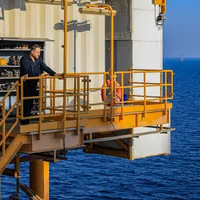
Iran has invested a total of $28.8 billion in its oil industry in past two years despite financial and technical strains, oil minister Javad Owji said Saturday.

Iran’s oil exports are under third-party sanctions by the United States and certain technologies are banned from being sold to Iran. Owji said these factors complicate much-needed investment in the country’s oil and gas industry.

Since assuming office in 2021, Owji has repeatedly said that the energy sector needs close to $250 billion in investments to stay productive and compete with other oil producers in the region. Saudi Arabia has invested hundreds of billion in the past 15 years.

However, various international sanctions have limited Iran’s financial resources, and Western sanctions on technology, some available only from large Western countries have left Iran’s oil and gas sector in an acute need for overhaul.

Lack of investments have led to natural gas shortages, while Iran has the second largest reserves in the world. This in turn reduces production at petrochemical and steel plants as well as deprives electricity generating plants of cleaner energy.

Owji claimed that $14.5 billion was invested in dozens of unfinished and new projects last year, and $14.3 billion is being invested this year.

Although Owji’s claims of large investments cannot be independently verified, and the government has a habit of exaggerating its meager accomplishments, he underlines that the oil industry is the most important economic sector and needs more attention than others.


Most Viewed

US strikes on Iran now serve the blockade
1
ANALYSIS

US strikes on Iran now serve the blockade

2

US says it can sustain Iran blockade for ‘foreseeable future’

3

Iran sends conflicting signals on US deal as Trump raises prospect of strikes

4
PODCAST

Baluch insurgency tests the limits of a war-weakened Islamic Republic

5

Pakistan talks peace with Iran, defends Saudis against Tehran’s proxies

Banner
Banner
Banner
Banner
Banner

Spotlight

  • From six-day victory to wars of attrition: How has Israel ended its wars?
    ANALYSIS

    From six-day victory to wars of attrition: How has Israel ended its wars?

  • Baluch insurgency tests the limits of a war-weakened Islamic Republic
    PODCAST

    Baluch insurgency tests the limits of a war-weakened Islamic Republic

  • US strikes on Iran now serve the blockade
    ANALYSIS

    US strikes on Iran now serve the blockade

  • Salvation or tragedy? Iranians debate prospect of another war

    Salvation or tragedy? Iranians debate prospect of another war

  • More patrols, slower internet suggest Tehran is bracing for trouble
    VOICES FROM IRAN

    More patrols, slower internet suggest Tehran is bracing for trouble

  • Iran’s evasion network survives, but the crude feeding it has run dry

    Iran’s evasion network survives, but the crude feeding it has run dry

  • Once US blockaded Iran, China’s ‘Malaysian’ oil imports dried up
    ANALYSIS

    Once US blockaded Iran, China’s ‘Malaysian’ oil imports dried up

  • Istanbul meeting: A new division of labor in the Iran war?
    ANALYSIS

    Istanbul meeting: A new division of labor in the Iran war?