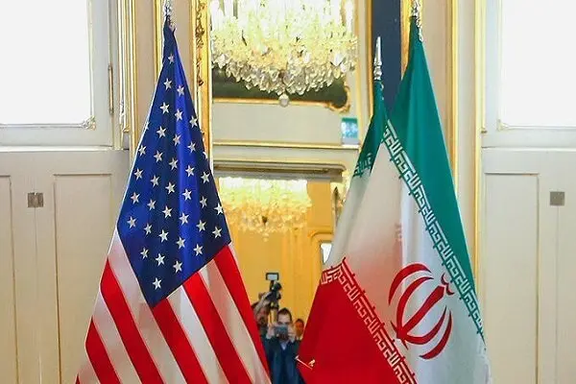
The latest round of negotiations between Iran and the United States has officially begun in Muscat, with senior diplomats from both sides engaging through Omani mediation.
The United States has repeatedly failed to demonstrate genuine intent in talks, said Ali Hadadi, a member of parliament on the floor of Iran’s legislature on Sunday.
“The Americans are once again facing a test of will and sincerity, one they have failed many times,” he added.
Hadadi said that any assumption in Washington that pressure or threats could force Iran to capitulate was a “serious miscalculation.”
“Today, the Islamic Republic’s military strength and regional deterrence speak for themselves. The enemy knows our response will be crushing and regret-inducing.”
Delays in ongoing nuclear negotiations are inflicting damage on Iran’s economy, wrote Iran's Donya-e-Eqtesad newspaper warning that the country's "imbalance-ridden economy is facing a severe liquidity crunch, with depreciation outpacing capital formation, leaving industries parched for investment."
Inflation continues to surge, with rising input costs failing to attract new domestic or foreign capital, the paper noted. Without fresh investment, it added, Iran’s GDP will remain stagnant.
The paper’s “Economists’ Club” section argued that policymakers must pair negotiation planning with domestic reforms, adding that economic security and a stable business environment are key to drawing investment.
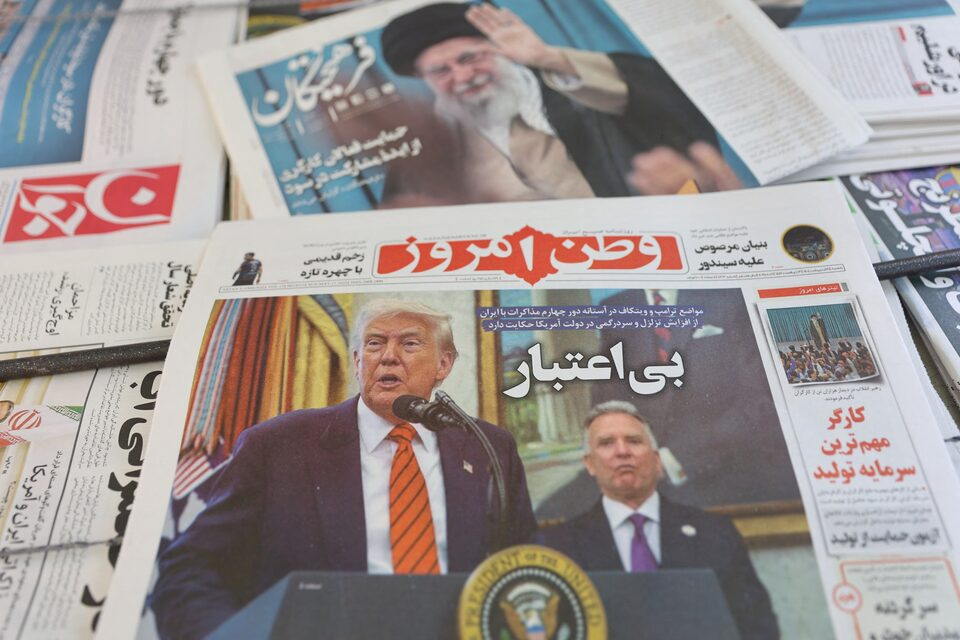
A member of Iran’s negotiating team told Lebanon’s Hezbollah-aligned Al Mayadeen network that Tehran will halt negotiations if the United States strays from agreed frameworks.
“If we see the other side deviating from the agreed frameworks, we will not continue the talks,” the official said.
Al Mayadeen described the fourth round of negotiations between Tehran and Washington as “decisive” and more critical than previous rounds, identifying uranium enrichment as the main obstacle.
If discussions proceed “within the framework aimed at assuring the international community of the peaceful nature of Iran’s nuclear program,” the source said, a deal lifting sanctions and benefiting both sides remains possible.
A member of Iran's parliament, condemned recent remarks by US officials calling for the dismantling of Iran’s enrichment facilities.
“In recent days, we’ve repeatedly heard Trump’s brazen statements that Iran’s enrichment facilities must be dismantled,” said Mohammadreza Ahmadi Sangari, speaking on the parliament floor on Sunday.
“It is pointless and futile for our diplomatic officials to negotiate with wolves and the killers of thousands of women and children,” he added.
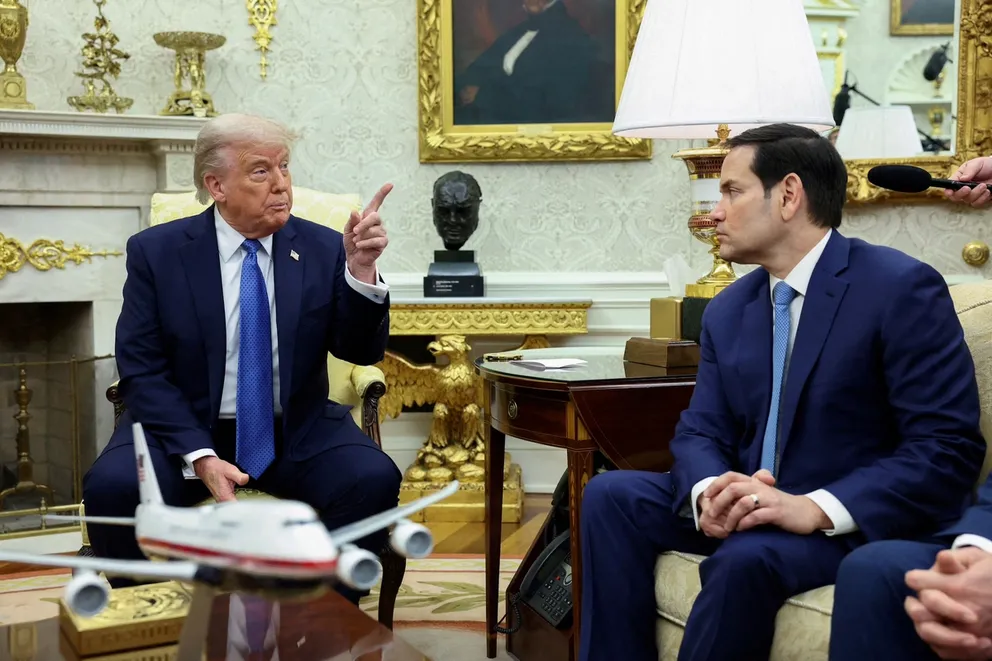
The United States has no choice but to accept Iran’s right to enrichment, said Ebrahim Rezaei, spokesman for Iran’s parliamentary National Security Committee.
“When Yemeni missiles destroy Israel’s largest airport and no Iron Dome can stop them, dictating terms to Iran is a tasteless joke,” he wrote on X.
In a separate post, Rezaei said parliament will not retreat from Iran’s “right to uranium enrichment.”
His comments followed remarks by Steven Witkoff, US special envoy and lead negotiator, who said Washington seeks a diplomatic resolution to Iran’s nuclear file but views military action as a last resort. Witkoff reiterated that uranium enrichment is a red line for the US, calling for the full closure of Iran’s Natanz, Fordow, and Isfahan facilities.